Romantasy trope
Best Villain Love Interest Romantasy Books
The antagonist you are not supposed to want.

The Ballad of Never After
Stephanie Garber · Once Upon a Broken Heart #2
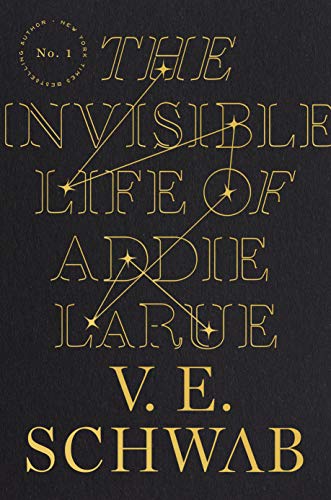
The Invisible Life of Addie LaRue
V.E. Schwab

The Queen of Nothing
Holly Black · The Folk of the Air #3

Apprentice to the Villain
Hannah Nicole Maehrer · Assistant to the Villain #2

Legendary
Stephanie Garber · Caraval #2

Assistant to the Villain
Hannah Nicole Maehrer · Assistant to the Villain #1

Finale
Stephanie Garber · Caraval #3

Once Upon a Broken Heart
Stephanie Garber · Once Upon a Broken Heart #1

Malice
Heather Walter · Malice Duology #1

A Curse for True Love
Stephanie Garber · Once Upon a Broken Heart #3

Belladonna
Adalyn Grace · Belladonna #1

For the Throne
Hannah Whitten · Wilderwood #2

Misrule
Heather Walter · Malice Duology #2

Electric Idol
Katee Robert · Dark Olympus #2

Shadow and Bone
Leigh Bardugo · Shadow and Bone #1
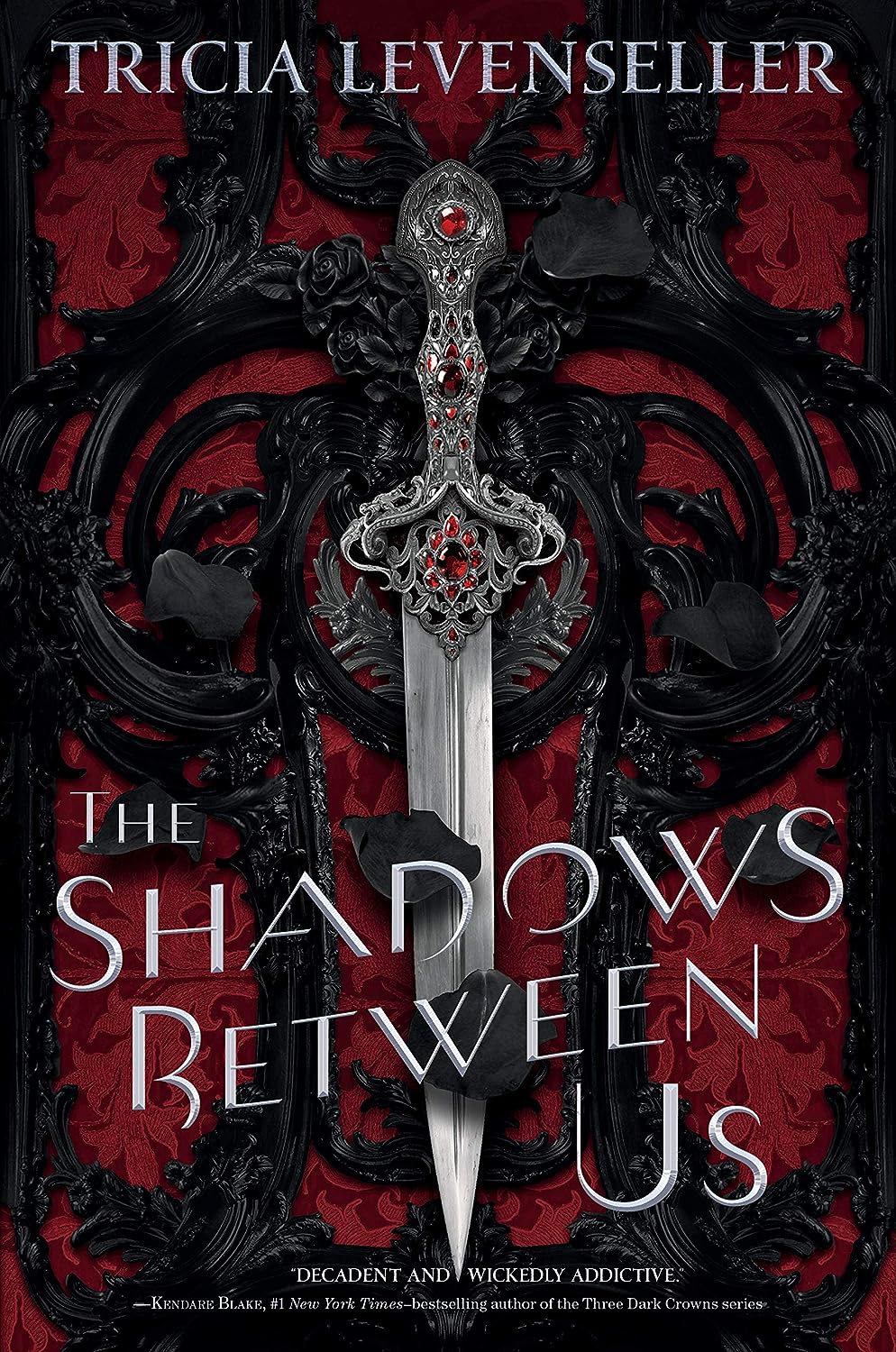
The Shadows Between Us
Tricia Levenseller

Gild
Raven Kennedy · The Plated Prisoner #1

Shatter Me
Tahereh Mafi · Shatter Me #1
Why the villain love interest trope works
The villain love interest trope works because it lets readers safely want something they know they shouldn't. It's not really about bad boys or moral ambiguity as aesthetic — it's about the specific thrill of a character who has real power, real menace, and still turns that attention on you. The best examples in this space don't soften the villain to make them palatable; they hold the tension between danger and desire without resolving it too quickly. That's the hook. Readers come back for the feeling of being seen by someone who sees through everyone else.
V.E. Schwab's The Invisible Life of Addie LaRue gives the trope a 300-year lifespan: Luc is genuinely the devil, patient and possessive in equal measure, and the romance only lands because Schwab never pretends he isn't. Shadow and Bone goes a different route — Leigh Bardugo builds the Darkling as a seduction of ideology first and person second, which makes the betrayal cut deeper than almost any other villain romance in YA. Stephanie Garber's Caraval trilogy (Legendary and Finale especially) keeps layering secrets onto its morally compromised men until the reader has no idea who to trust, which is exactly the point.
Villain Love Interest romantasy — your questions
Which villain love interest book should I read first?
Start with Shadow and Bone by Leigh Bardugo if you want the genre at its most structurally clean — the villain love interest is introduced early, the tension is clear, and the first book works as a complete setup. If you'd rather something lighter with more wit and less anguish, Assistant to the Villain by Hannah Nicole Maehrer is a good entry point; it plays the trope mostly for fun and doesn't demand you read a full series before the payoff arrives.
Which of these books are the spiciest?
Honestly, none of them are spicy in any explicit sense — the whole list sits at 1-2 out of 5. The Invisible Life of Addie LaRue reaches a 2/5, which is the highest here, but the romance is more aching and atmospheric than physical. If heat level matters to you, this particular corner of the villain love interest trope skews toward tension, longing, and slow burn. You'll feel the want more than you'll see it on the page.
Which books are standalones versus part of a series?
The Invisible Life of Addie LaRue is a standalone. The Queen of Nothing by Holly Black is the third book in the Folk of the Air trilogy — don't start there. Shadow and Bone is the first book in the Shadow and Bone trilogy (separate from the Six of Crows duology). Shatter Me by Tahereh Mafi opens a long series. Once Upon a Broken Heart, Legendary, and Finale are all part of Garber's Caraval universe, though Legendary and Finale are sequels to Caraval and work best read in order. Assistant to the Villain is a duology opener.
What actually makes a villain love interest feel earned rather than just edgy?
The difference is usually specificity of menace. A villain love interest earns their place in a story when they have a coherent worldview that makes them genuinely dangerous — not just a brooding aesthetic. The Darkling in Shadow and Bone works because his ideology is seductive before his face is; readers understand why someone would follow him. Luc in The Invisible Life of Addie LaRue works because his cruelty is patient and precise, not random. When the "villain" is just rude or secretive but never actually threatening, the trope collapses into a bad boy story with a costume change. The best examples keep the reader slightly afraid even as they root for the romance.