Sleep Better Tonight with sleep stories adults for Calm Nights
Discover how sleep stories adults can quiet your mind, ease bedtime anxiety, and help you drift into peaceful sleep with soothing, science-backed tales.
Featured story
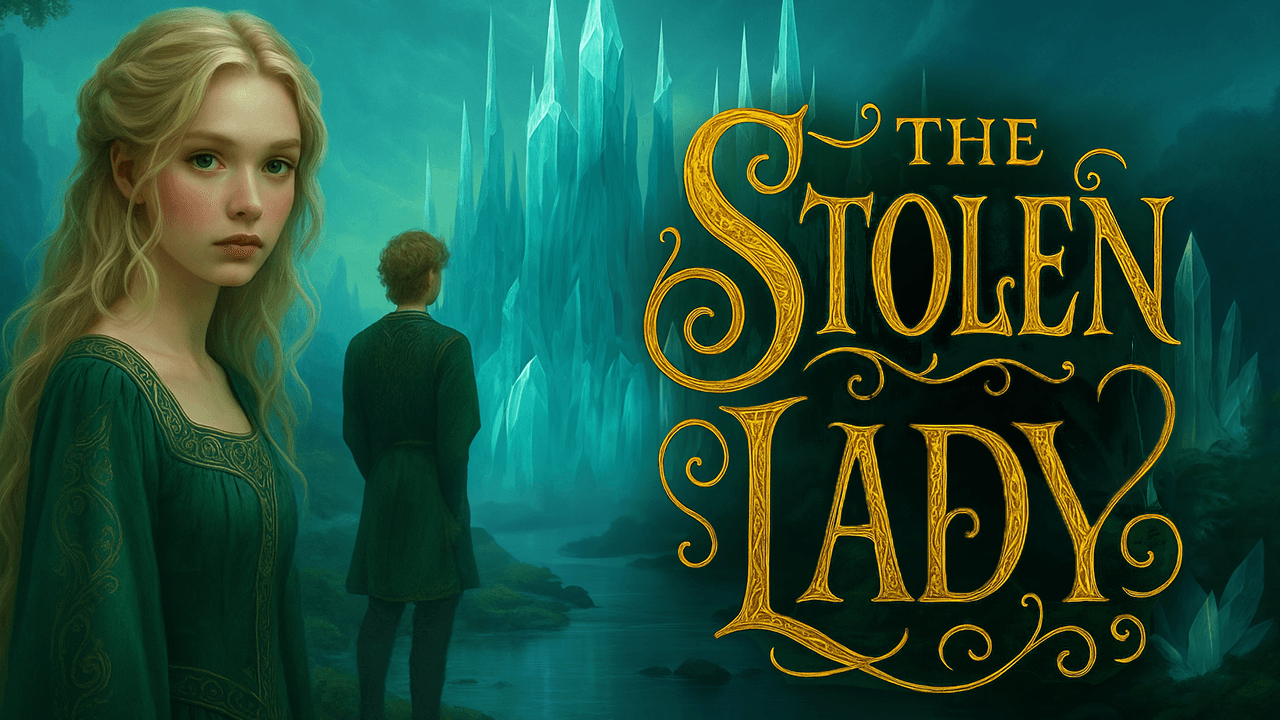
The Legend Of Midsummer's Eve
TheOtherLand · 2hr 49min
Join us as Aileen's twilight song unknowingly crosses the veil, capturing the attention of the Fairy King, Finnbhear of the Tuatha De Dannan. Follow her devoted husband, Conor, as he braves the perilous path into the heart of the Otherworld itself, facing impossible trials fueled by unwavering love and courage.
If your mind feels like a busy highway at bedtime, you can think of sleep stories for adults as a gentle, scenic off-ramp into rest. These aren’t the kids' tales you remember; they're a kind of guided mindfulness, crafted specifically for the adult brain.
They work by replacing the chaotic swirl of daily worries with a peaceful, structured world, helping the transition to sleep feel natural and effortless.
How Sleep Stories Quiet a Racing Mind
Think of your mind at night as an orchestra pit where every musician is playing a different, clashing tune. One part of your brain is trying to solve a work problem, another is replaying a conversation, and a third is building tomorrow's to-do list. It’s no wonder sleep feels impossible.
Sleep stories for adults act as the conductor. They gently guide the entire orchestra to play a single, soothing melody. This is possible because of a powerful psychological principle known as cognitive distraction.
The Gentle Art of Distraction
Cognitive distraction isn't about ignoring your thoughts or forcefully pushing them away. It's about giving your brain a better, calmer focal point. Instead of wrestling with anxious loops, you passively listen to a narrator's soothing voice and a meandering, low-stakes plot.
This simple act of listening engages your brain just enough to stop it from spiraling into worry. It's a mental hand-off, where you let the story carry the weight of your attention for a while.
By providing a calm, structured narrative, sleep stories give the "worry centers" of your brain a night off. It's an invitation to stop analyzing and start listening, which is the first step toward true relaxation.
Triggering Your Body's Relaxation Response
The benefits go far beyond just a simple distraction. The unique structure of these stories—with their calm pacing and non-stimulating plots—has a profound effect on your body, too. A narrator's rhythmic, low-pitched voice can physically slow your heart rate and encourage deeper, more regular breathing.
This process activates your parasympathetic nervous system, which is the body's natural "rest and digest" mode. As your body relaxes, it sends signals back to your brain that you are safe and it's okay to finally let go.
Here's a quick look at how these stories work on both your mind and body to pave the way for sleep.
How Sleep Stories Calm an Anxious Mind
Mechanism | Effect on the Mind and Body |
Cognitive Distraction | Gives your mind a gentle, singular focus, preventing it from latching onto anxious thoughts or to-do lists. |
Parasympathetic Activation | The soothing narration helps shift your nervous system from "fight or flight" into "rest and digest" mode. |
Physiological Slowing | Listening to a calm voice can physically lower your heart rate and deepen your breathing, signaling safety to your brain. |
Reduced Cortisol | By quieting anxious mental chatter, stories can help lower the levels of the stress hormone cortisol in your system. |
In the end, it all works together to create the ideal conditions for rest.
Ultimately, sleep stories create a bridge from the active, problem-solving state of wakefulness to the quiet, receptive state needed for sleep. They don't force you to sleep; they create the perfect conditions for sleep to find you.
The Science-Backed Benefits of Bedtime Stories
Beyond the simple comfort of being told a story, a nightly routine offers some very real, science-supported perks for your mind and body. This isn't just about a pleasant distraction before you drift off; it's a genuine strategy for building a powerful sleep habit.
The biggest win? A good bedtime story is the perfect antidote to rumination—that frustrating mental hamster wheel of worries that fuels so much insomnia. A well-crafted sleep story gives your mind something else to focus on, something compelling but not too exciting. It’s a gentle redirection that breaks the anxious spiral and creates the headspace you need to finally relax.
Activating the Body's Natural Calm
Listening to a calm, rhythmic voice has a direct, physical effect on your body. It helps switch on the parasympathetic nervous system, which is in charge of your body's "rest and digest" mode. You can think of it like flipping a switch that takes you out of the high-alert "fight or flight" state that stress keeps you in.
When this happens, you can actually feel the changes:
Your heart rate slows down, shifting from a tense rhythm to a gentle, resting pace.
Your breathing becomes deeper and more regular, sending a powerful signal of safety to your brain.
You'll feel muscle tension begin to melt away as your body physically lets go of the day's stress.
This biological shift is the key to preparing yourself for deep, restorative sleep. It’s not just about falling asleep faster, but about getting a much higher quality of rest once you're there.
Think of it this way: a nightly sleep story is like training for your nervous system. Over time, it teaches your body to associate your bed and your bedtime routine with safety and calm, making the transition to sleep smoother and more predictable.
Improving Overall Sleep Quality and Well-Being
The benefits don't stop once you've drifted off. By dialing down pre-sleep anxiety, sleep stories help you enter a relaxed state more quickly, which means you can spend more time in the deeper, more restorative stages of sleep. That’s where the real magic happens for physical recovery, memory consolidation, and emotional balance.
This idea is catching on. The global sleep app market, where sleep stories adults rely on for rest are a huge feature, was valued at $1.07 billion in 2025 and is expected to hit around $2.79 billion by 2032. With 30% to 35% of adults around the world dealing with insomnia symptoms, the need for these kinds of accessible, digital tools is only growing.
If you're interested in learning more about the fundamentals of good sleep, there are plenty of excellent general sleep education resources out there to explore. At the end of the day, bringing bedtime stories into your routine is about more than just a quick fix; it's about building a consistent, positive pathway to better long-term health.
Choosing the Right Story to Quiet Your Mind
The story you choose is the single most important factor in whether your listening session ends in deep sleep or just keeps you awake longer. Let's be clear: not all audio is created equal. A high-stakes thriller audiobook is like a shot of espresso for your imagination, while a sleep story for adults is more like a warm, decaffeinated tea, blended specifically to calm things down.
The goal isn't just to listen, but to be gently carried away. This is why immersive fantasy and mythology tales are so powerful. Stories like The Celestial Weaver’s Loom from Otherworld Tales aren't about car chases or dramatic cliffhangers; they're about transporting you to richly detailed, low-stakes worlds. You'll find yourself meandering through descriptions of enchanted forests and shimmering constellations, giving your brain something pleasant to focus on. Suddenly, those real-world anxieties don't seem so loud anymore.
Finding Your Ideal Sleep Story Genre
While fantasy offers a complete escape from reality, other genres can be just as effective. The secret is finding what works for your unique mind. What helps one person drift off might keep another on the edge of their pillow.
Here's a quick look at a few popular styles to help you find your perfect match.
Genre Type | Primary Benefit | Best For Listeners Who... |
Immersive Fantasy & Myth | Mental Escape. Transports you to entirely different, low-stakes worlds. | Need to completely disconnect from daily worries and anxieties. |
Gentle Travelogues | Sensory Immersion. Focuses on the quiet sights, sounds, and feelings of a place. | Find comfort in real-world settings and enjoy descriptive, sensory details. |
Serene Nature Narratives | Deep Relaxation. Paints a peaceful auditory picture of the natural world. | Are soothed by nature sounds and want a story with almost no plot. |
Cozy, Low-Stakes Mysteries | Mild Engagement. Offers a gentle, predictable plot that soothes rather than stimulates. | Enjoy a hint of a story but need it to be simple and comforting. |
Ultimately, the right genre is a deeply personal choice. Don't be afraid to try a few different types to see what truly helps you unwind.
Of course, the story is only half the equation. The narration itself plays a massive role in this whole process. You can learn more about what makes a narrator's voice so crucial in our article on soothing voices for sleep.
What to Avoid for a Restful Night
Knowing what to look for is important, but knowing what to steer clear of is just as critical. Anything that asks your brain to actively solve problems or process intense emotions is going to work against you.
Key Takeaway: The perfect sleep story should be interesting enough to hold your attention away from your own thoughts, but not so engaging that it keeps you awake anticipating what happens next.
It's a delicate balance. As a rule of thumb, avoid stories with:
Suspense or Action: This triggers an adrenaline response, the exact opposite of what you need for sleep.
Complex Plots: Trying to keep track of intricate storylines, multiple characters, or twisting timelines is mental work.
High Emotional Drama: Stories focused on conflict, heartbreak, or even intense joy can stir up your own emotions and keep you alert.
The growing demand for these specialized, calming narratives is a major reason the sleep app market is booming. Narration and sleep storytelling apps are a fast-growing slice of an industry valued at $651.6 million in 2021 and on track to surpass $1.1 billion by 2033. This massive growth points to a clear desire for audio-first solutions tailored for deep relaxation. You can discover more insights about the growth of the sleeping apps market in this detailed report.
Building Your Perfect Bedtime Story Routine
Just like an athlete warms up before a game, your brain needs a consistent cool-down to really prepare for sleep. Listening to a random story here and there can certainly help, but when you weave sleep stories for adults into a reliable nightly ritual, you transform them into a powerful cue for your mind and body to let go.
This isn't about adding another chore to your day; it’s about carving out a cherished, non-negotiable window of peace for yourself.
The real magic is in consistency. When you pair a soothing story with the same simple actions every single night—dimming the lights, changing into comfy clothes, maybe sipping a caffeine-free tea—you are actively training your brain. Before long, your mind begins to associate this entire sequence with releasing the day's stress, making it so much easier to drift off.
To get this ritual just right, aim to start listening about 30 minutes before you actually want to be asleep. This gives the narrative enough time to work its magic, gently guiding your thoughts away from that noisy internal monologue without making you feel pressured to fall asleep on command.
Optimize Your Listening Experience
Simply pressing play is a great start, but a few small tweaks can deepen your relaxation and make sure the audio doesn't become a distraction later in the night. The whole point is to create a seamless transition into sleep, where the technology serves its purpose and then fades away completely.
Set a Sleep Timer: This one is non-negotiable. Most apps and devices have a feature that turns the audio off after a set time, like 30 or 45 minutes. This is crucial to prevent a story from waking you up after you’ve already fallen asleep.
Adjust Playback Speed: Don't be afraid to experiment with slowing the narration down. A slightly slower pace, like 0.8x speed, can be incredibly calming and helps sync the story's rhythm with your own slowing breath.
Find the Right Volume: The narrator's voice should be clear, but not commanding. You want it just loud enough to follow without any effort, but soft enough that it feels like a gentle whisper in the background.
This process is all about choosing a story that fits your nightly goal, whether it's pure escape, deep relaxation, or simply avoiding anything too stimulating. As the visual above shows, the most effective stories are the ones that offer a gentle escape or a deep sense of calm, while actively steering clear of anything that might be mentally taxing.
Create a Sleep-Sanctuary Environment
Your physical surroundings play a huge role in how quickly you can relax. The most soothing sleep story in the world will have a hard time competing with a bright screen or a chilly room.
Your bedroom should signal rest, not productivity or entertainment. By creating a tranquil environment, you’re telling your body and mind that their only job right now is to let go and prepare for sleep.
Before you press play, take a moment to perfect your space. Dim the lights way down, make sure your room is a comfortable, slightly cool temperature, and put your phone face down and out of arm's reach. These small steps are what truly amplify a story's calming effects.
For more ideas, you can explore our complete guide to building a calming bedtime routine for adults. By combining a perfect story with a perfect environment, you create an unbeatable recipe for deep, restorative rest.
Setting Up Your Devices for Uninterrupted Sleep
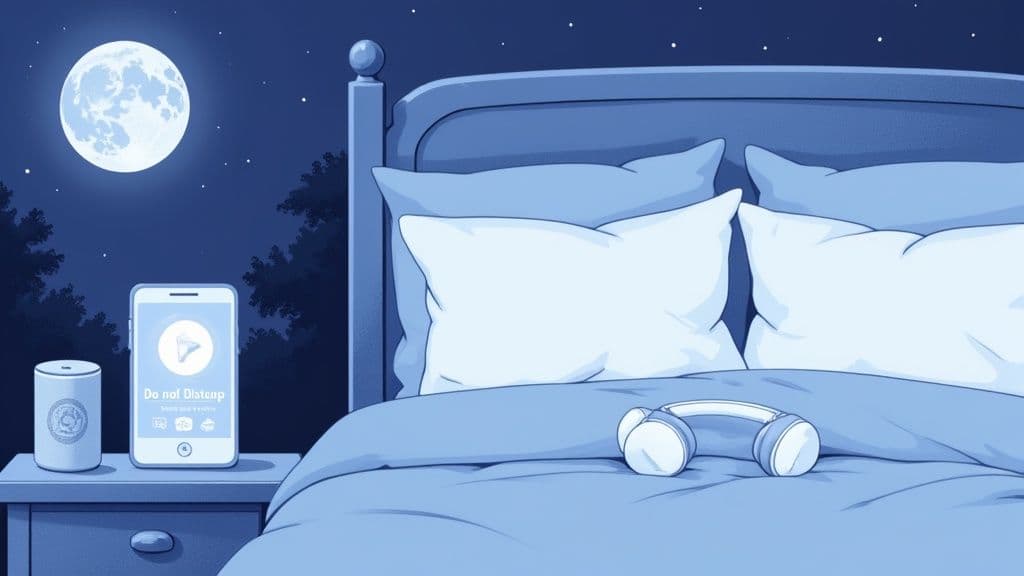
Let's be honest, technology can be a double-edged sword when it comes to sleep. The goal here is to make it your ally, not another source of late-night disruption. You want to create a listening experience so seamless that your devices simply fade into the background, leaving you free to drift off without a single jarring notification or sudden interruption.
A little prep work goes a long way. Getting your setup right beforehand eliminates that nagging tech anxiety, allowing your focus to stay where it belongs: on the calming story unfolding in your ears.
Silencing Digital Distractions
This is the most critical step. Nothing shatters a state of deep relaxation faster than an unexpected ping from a group chat or a late-night email alert. Thankfully, your phone has powerful tools built right in to prevent this.
Before you even press play, your first move should be to create a digital sanctuary. Think of it as putting up a "do not disturb" sign on your mind. This tiny habit protects your precious sleep environment from the unpredictable demands of the outside world.
On any modern smartphone, this means activating "Do Not Disturb" or a "Focus" mode. The beauty of these features is their customisability; you can allow calls from specific emergency contacts to come through while silencing everything else. Even better, set it to switch on automatically at your bedtime—it's an effortless way to build a consistent shield against interruptions.
Choosing Your Listening Hardware
How you listen to sleep stories for adults makes a huge difference, not just for you but for your partner, too. While you can certainly just play a story from your phone's speaker, dedicated hardware can create a much more immersive and considerate experience.
Here are a few popular options to consider:
Bluetooth Sleep Headbands: These are a game-changer. They're essentially soft, comfortable fabric headbands with ultra-thin speakers tucked inside, making them perfect for side sleepers. They’re an excellent choice if you don’t want to disturb your partner.
Smart Speakers: Devices like a Google Home or Amazon Echo are fantastic for setting timers. You can just say, "Play my sleep story for 45 minutes," and it will automatically shut off, so you don't have a voice droning on all night.
Noise-Canceling Earbuds: If you need to block out snoring, traffic, or other ambient noise, these can be a lifesaver. Just be sure to find a pair with a low-profile, comfortable fit that won't dig into your ears if you roll onto your side.
Finally, make sure your device is actually ready for the night. You don't want your phone dying mid-story or creating other issues. A quick read-up on the best practices for charging devices overnight can give you peace of mind. A little bit of preparation ensures your tech serves its one true purpose: guiding you to sleep without a single hitch.
The Growing Trend of Digital Sleep Solutions
The way we unwind at night is changing. More and more, the sleep stories adults are turning to aren't found in books, but on their phones and smart speakers. This isn't just a niche trend; it’s a genuine shift in how we think about wellness.
People are consciously moving away from traditional sleep aids and looking for gentler, tech-driven solutions. It's all part of a larger move toward mindfulness and self-care—finding sustainable ways to manage our health that actually fit into our modern lives.
This isn’t just a cultural shift, either. The digital wellness world is booming as people invest in tools that help them reclaim their rest. Audio bedtime story apps are right at the heart of this growth.
A Market Awakening to Sleep
The numbers really paint a picture here. The market for story timer apps designed for bedtime was valued at roughly $415 million in 2024. By 2033, it's expected to jump to an incredible $1.18 billion.
That's a compound annual growth rate of 12.1%, which is huge. This explosion is being driven by a growing understanding of how vital sleep routines are, the fact that we all have smart devices in our pockets, and a clear preference for digital wellness tools. You can dig into the full story timer apps market growth report to see just how fast things are moving.
This growth isn't just about technology. It's about a cultural shift where reclaiming a good night's sleep is seen as a fundamental pillar of health, on par with diet and exercise.
The Future of Bedtime Stories
Looking ahead, technology's role in our sleep is only going to get more sophisticated. We're on the verge of seeing AI-powered platforms that can create adaptive stories, personalizing the narrative in real-time based on your body's feedback, like your heart rate or breathing.
Imagine a story that slows its pace as you relax, or one that chooses calming words and sounds based on your sleep data from the night before.
These kinds of advancements will solidify sleep stories as a legitimate, powerful tool for improving our collective well-being. The simple convenience of having a personalized sleep aid on your phone is a massive part of their appeal. If you want to learn more about what makes a great one, check out our guide on choosing the best bedtime stories app for your needs.
This trend isn’t just changing how we fall asleep—it’s redefining our entire relationship with technology at bedtime.
Got Questions About Sleep Stories? We've Got Answers.
When you start thinking about using audio stories to help you drift off, it’s natural for a few questions to pop up. Let's walk through some of the most common ones so you can feel confident adding them to your nightly routine.
Will I Get Hooked and Need Them to Fall Asleep?
It's a fair question, but it's highly unlikely. Think of a sleep story less like a sleeping pill and more like a cozy reading lamp. It’s a tool that helps create the right atmosphere for rest.
The goal isn’t to create a dependency; it’s to retrain your brain to associate bedtime with calm and relaxation. Over time, you’ll likely find it easier to fall asleep on your own because you’ve rebuilt that healthy connection with sleep. The stories are there to support you, not to become a crutch.
What if the Story Is Too Good and Keeps Me Awake?
This is a common worry, and it really gets to the heart of what makes a true sleep story for adults different. They are intentionally designed to be a bit... well, boring. In the best way possible.
A good sleep story has a gentle, meandering plot with no real suspense or big cliffhangers. If you find one narrative too engaging, try a different style—maybe a descriptive nature walk instead of a fantasy tale. The key is to practice passive listening; focus on the soothing rhythm of the narrator's voice, not on hanging on every word.
The best sleep stories aren't meant to entertain you like a typical audiobook. Their whole purpose is to be just interesting enough to quiet your own thoughts, but calm enough to let your mind drift off.
Can’t I Just Listen to Any Audiobook?
You certainly could, but you probably won't get the same results. Most audiobooks are produced to keep you hooked, often with dynamic voice actors, sound effects, and dramatic plots designed to fire up your imagination. That's the exact opposite of what you want when you're trying to wind down.
Purpose-built sleep stories for adults are crafted for one thing: relaxation. They feature a single, soothing narrator and a non-exciting storyline. For the best chance at a peaceful night, it’s always better to stick with audio created specifically to help you sleep.
Ready to quiet that racing mind and drift off to another world? Explore the immersive fantasy and mythology tales at Otherworld Tales and find your perfect story tonight. Discover your escape at Otherworld Tales.