Romantasy trope
Best Opposites Attract Romantasy Books
Two temperaments that should not work, and do.

Cress
Marissa Meyer · The Lunar Chronicles #3
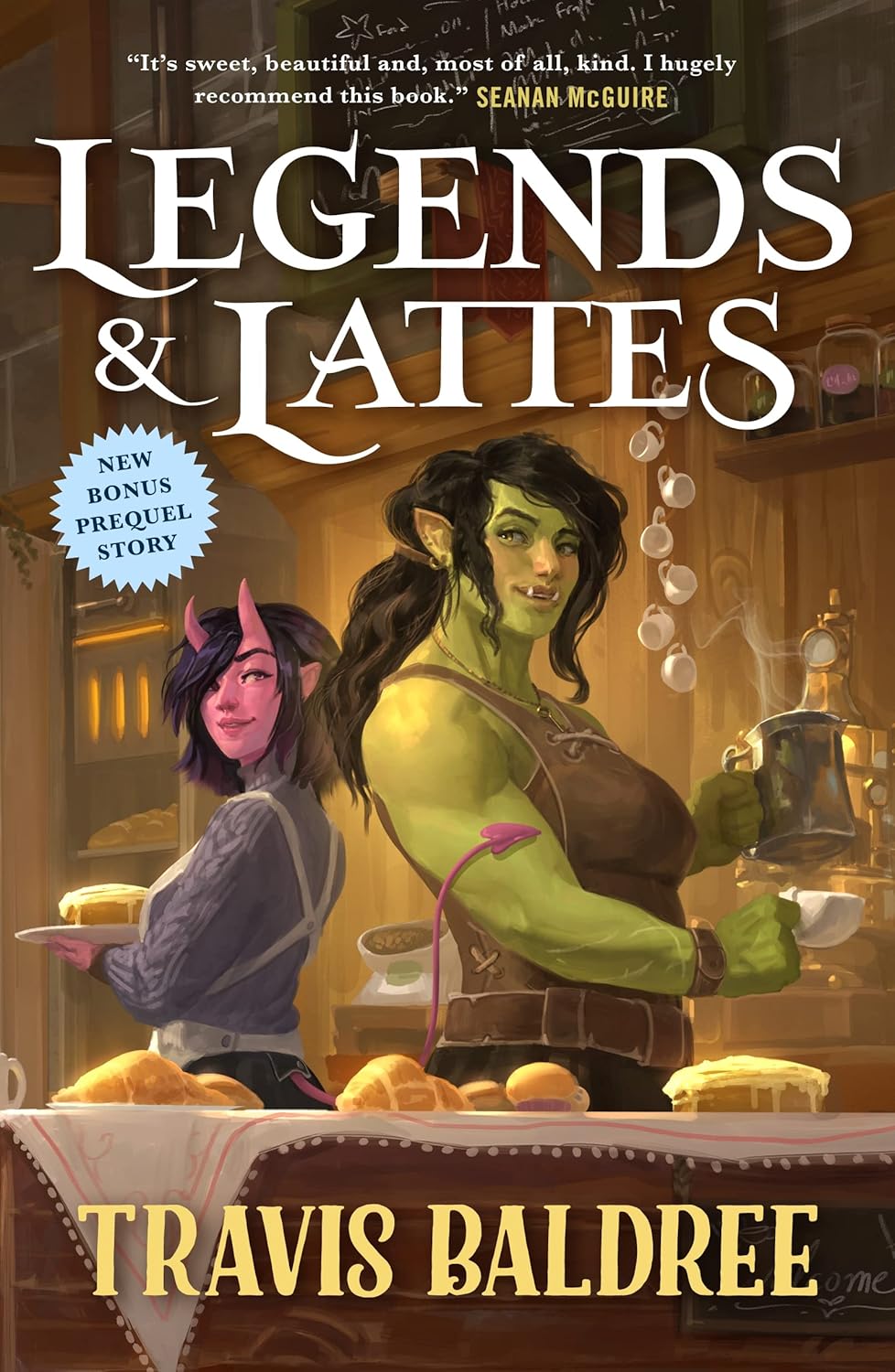
Legends & Lattes
Travis Baldree · Legends & Lattes #1

Divine Rivals
Rebecca Ross · Letters of Enchantment #1

The Scorpio Races
Maggie Stiefvater

A Demon's Guide to Wooing a Witch
Sarah Hawley · Glimmer Falls #2

Death
Laura Thalassa · The Four Horsemen #4

Radiance
Grace Draven · Wraith Kings #1

Daughter of the Pirate King
Tricia Levenseller · Daughter of the Pirate King #1

Slave to Sensation
Nalini Singh · Psy-Changeling #1

The Hurricane Wars
Thea Guanzon · The Hurricane Wars #1

A Witch's Guide to Fake Dating a Demon Lord
Sarah Hawley · Glimmer Falls #1

Halfway to the Grave
Jeaniene Frost · Night Huntress #1
Why the opposites attract trope works
Opposites attract works because the friction is the point. Two people whose instincts, values, or temperaments pull in opposite directions create a kind of dramatic irony that slow-burn romance runs on — every interaction is loaded, every concession costs something, and the eventual give is earned in a way that matched personalities can't replicate. Readers seek this trope out because it forces characters to genuinely change each other, not just find each other. There's a specificity to that tension that hits differently than almost any other romantic structure.
Legends & Lattes pulls the trope into its quietest, most disarming register: a retired orc warrior and a scrawny, idealistic elf open a coffee shop, and what sounds like a punchline becomes a study in how someone hard-edged and someone soft-hearted learn to make room for each other without either one disappearing. Divine Rivals does the opposite — it runs the tension hot, two rival newspaper journalists exchanging barbs through a magical correspondence neither can control, the antagonism and the longing completely inseparable. Radiance by Grace Draven is the one to reach for when you want the trope taken to its most literal extreme: a political marriage between two people from cultures that consider the other physically repulsive, and a romance built entirely on personality before anything else.
Opposites Attract romantasy — your questions
Which opposites attract romantasy is the best starting point if I'm new to the trope?
Start with Legends & Lattes by Travis Baldree if you want something low-stakes and cozy that still delivers genuine character contrast — it's short, self-contained, and the warm-grumpy dynamic is executed without any of the grimmer genre conventions that can be off-putting. If you want more plot and romantic tension, Divine Rivals is the other obvious entry point: journalistic rivals, a magical twist that forces emotional honesty, and a clean dual-POV structure that makes the opposites dynamic easy to track.
Which of these books are the spiciest, and which are completely clean?
Halfway to the Grave by Jeaniene Frost is the spiciest on this list by a significant margin (4/5) — it's a paranormal romance at heart, and the Cat-and-Bones dynamic has real heat alongside the action. Slave to Sensation by Nalini Singh sits at 3/5 and earns it; the Psy-Changeling world makes the emotional repression vs. feral warmth contrast integral to both the romance and the steam. Radiance by Grace Draven is 2/5 — some heat, but the emotional intimacy carries far more weight than the physical. The remaining titles — Legends & Lattes, Divine Rivals, Cress, Daughter of the Pirate King, and The Scorpio Races — are all 1/5 and essentially clean reads.
Which of these are standalone novels and which are part of a series?
Legends & Lattes is a standalone (a companion novel, Bookshops & Bonedust, exists but is independent). The Scorpio Races is also a standalone — Maggie Stiefvater has not continued it. Everything else is either the start of a series or embedded in one: Divine Rivals is Book 1 of Letters of Enchantment, Cress is Book 3 of The Lunar Chronicles (Marissa Meyer builds the opposites dynamic across multiple volumes), Daughter of the Pirate King opens a duology, Halfway to the Grave starts the Night Huntress series, Slave to Sensation launches the Psy-Changeling series, and Radiance is Book 1 of the Wraith Kings series.
What actually makes an opposites attract romance great rather than just frustrating?
The best examples make the opposition meaningful rather than cosmetic. In Radiance, the contrast isn't just aesthetic — the characters' cultural assumptions about beauty and worth are genuinely at odds, so every step toward each other requires dismantling a real belief. In Slave to Sensation, one character is literally conditioned to feel nothing while the other is driven entirely by emotion; the conflict isn't a personality quirk, it's existential. The weakest versions of this trope use surface differences (she's clumsy, he's composed) that dissolve the moment the characters get along. The books on this list that earn their tension — Halfway to the Grave, Divine Rivals, Radiance — make the reader understand why these two shouldn't work before they believe why they do.