The Shortest Bedtime Story: 6 Mythic Tales for Deep Sleep in 2025
Discover the power of the shortest bedtime story for adults. Explore 6 micro-tales with audio snippets and relaxation tips for instant calm and deep sleep.
Featured story
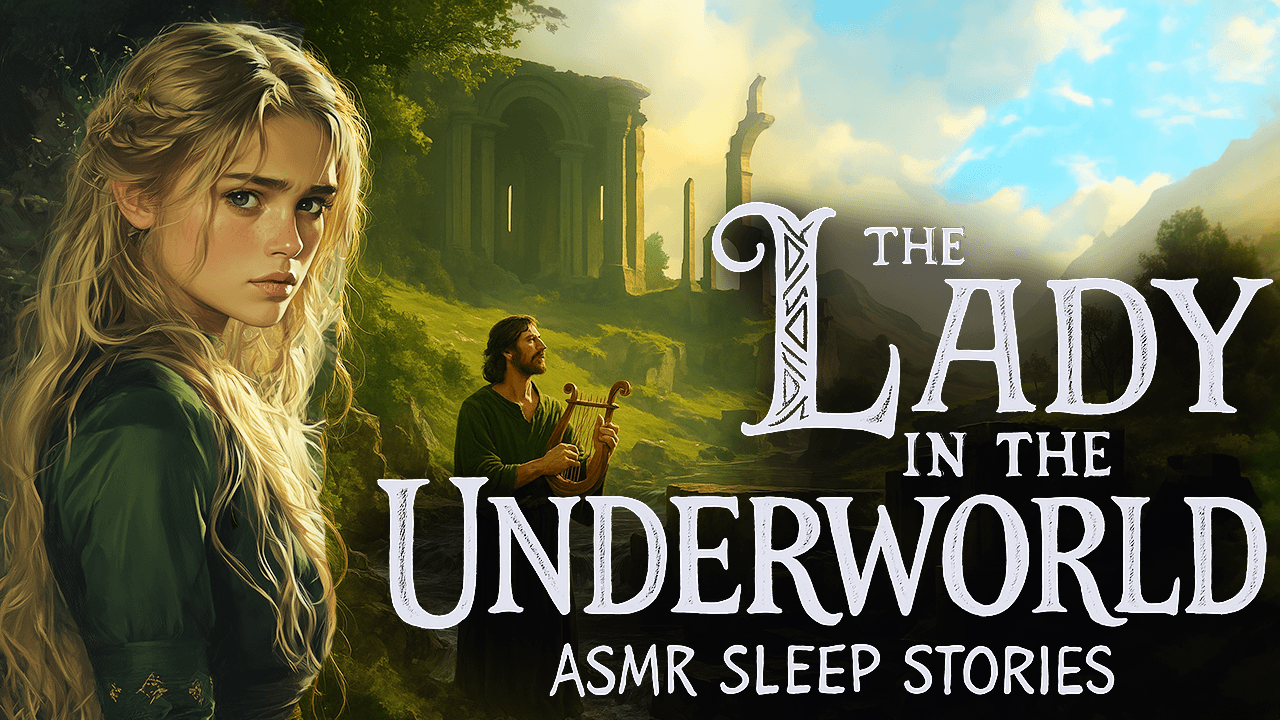
Orpheus & Eurydice
TheOtherLand · 1hr 48min
Step into the shadowed glades of ancient Greece, where love echoes beyond the veil of life and death in the hauntingly beautiful tale of Orpheus and Eurydice. Tonight, let the music of legend carry you deep into the heart of myth — where Orpheus, the gifted lyre-player whose songs could charm the stars, dares to journey into the underworld for the love of his life.
In a world that never stops, the journey to sleep can feel like an impossible quest. We often assume that winding down requires long, elaborate rituals, but the secret to profound rest might be found in its opposite: extreme brevity. This guide explores the potent magic of the shortest bedtime story—a format designed not just to entertain, but to act as a precise key for unlocking your mind's ability to switch off. The goal is to quiet the internal noise with a brief, focused narrative that gives your mind a gentle off-ramp from the day's stresses.
This article provides a curated collection of six distinct mythic and fantasy micro-story formats, perfect for adults. We will dissect each example, offering strategic breakdowns and actionable takeaways on how they work. You will learn how to pair these ultra-short narratives with our platform's ambient sound mixer to create a powerful, personalized sleep experience. While micro-stories offer a unique path, it's beneficial to combine them with other proven techniques for natural and restful sleep to fully unlock deep slumber. Forget lengthy chapters; prepare to discover how a few perfectly chosen words can guide you into a state of deep, restorative slumber faster than you ever thought possible.
1. The Two-Sentence Fable: A Spark in the Dark
The Two-Sentence Fable is a powerful contender for the shortest bedtime story because it borrows a viral structure and transforms it for relaxation. Adapted from the well-known "two-sentence horror story" format, this method swaps spine-chilling twists for moments of quiet wonder, mythic revelation, or gentle fantasy. It’s designed for the overstimulated adult mind that craves a narrative escape but lacks the energy for a lengthy tale.
The core principle is narrative efficiency. The first sentence establishes a relatable or intriguing fantasy premise. The second sentence then re-contextualizes the first, delivering a resolution or a profound shift in perspective that satisfies the narrative appetite without demanding prolonged attention. This rapid arc provides a complete, self-contained imaginative spark, perfect for coaxing the brain into a state of creative calm right before sleep.
Strategic Breakdown
The effectiveness of this format lies in its masterful use of brevity and implication. It gives the listener just enough detail to build a world in their mind's eye, leaving the rest to the subconscious to explore while drifting off.
Narrative Compression: It condenses the setup, conflict, and resolution of a traditional story into a few dozen words. This respects a tired mind's limited capacity.
Imaginative Prompt: By providing a "twist" of wonder instead of fear, it triggers positive, dream-like thoughts rather than anxiety. It’s not just a story; it’s a launchpad for the imagination.
Cognitive Closure: The complete arc offers a sense of satisfaction. This feeling of closure helps quiet the mental "to-do lists" that often keep us awake.
Actionable Takeaways & Examples
To use this method, focus on creating a brief but complete narrative journey. The goal is to present a tiny, wondrous world.
Example 1: The Lantern Keeper
"The old man had spent a century carrying his lantern to the highest peak each night, ensuring the ships below could see the coast. He blew out the flame and smiled as the stars he had been polishing all day finally began to glow on their own."
Example 2: The Weaver's Secret
"In the hidden village, every tapestry was woven with a single thread from the weaver's own silver hair, capturing a memory in its knots. Tonight, she wove the memory of a peaceful sleep, hoping its magic would find the one who needed it most."
Practical Application:
Playback Length: 10-15 seconds per story.
Recommended Sound Pairing: Pair with our "Celestial Chimes" or "Gentle Night Crickets" soundscape. The soft, ambient noise can fill the silence after the story, allowing the imagined world to linger and expand.
When to Use: Ideal for nights when you feel mentally restless but physically exhausted. It’s the perfect micro-dose of fantasy to redirect anxious thoughts and find the shortest bedtime story that actually works.
2. The Five-Minute Bedtime Story: A Ritual in Miniature
The Five-Minute Bedtime Story is a classic contender for the shortest bedtime story because it prioritizes ritual and gentle resolution over complex plots. This format, often found in beloved children’s literature, is a deliberately condensed narrative of 300-500 words. Its purpose is to create a predictable, calming transition from wakefulness to sleep, making it perfect for both children and adults seeking a dose of nostalgic comfort.
The core principle is narrative decompression. Unlike shorter formats that deliver a quick spark, this method uses rhythmic language and a deliberately slow pace to guide the listener's mind downwards into a state of rest. The plot is always simple and low-stakes, moving inevitably toward a peaceful conclusion, usually with the characters themselves falling asleep. This structured journey provides a reliable sense of safety and closure, signaling to the brain that the day is over and it is safe to rest.
Strategic Breakdown
The effectiveness of this format lies in its masterful use of pacing, repetition, and resolution. It wraps the listener in a comforting narrative blanket, systematically removing sources of mental stimulation and replacing them with tranquility.
Pacing and Rhythm: The story uses simple, often repetitive sentence structures and lulling language to create a hypnotic effect, gently slowing down breathing and heart rate.
Low-Stakes Plot: By focusing on simple, calming events like saying goodnight or getting tucked in, it eliminates any potential for anxiety or over-excitement. The outcome is never in doubt.
Sensory Focus: Many of these stories, like Goodnight Moon, guide the listener through a sensory "power-down" by naming and acknowledging objects in a room, a technique that grounds the mind in a peaceful present.
Actionable Takeaways & Examples
To use this method, the key is consistency and a focus on creating a soothing atmosphere. The story itself becomes a familiar, comforting signal for sleep.
Example 1: The Sleepy Little Bear
"The sleepy little bear yawned a great big yawn and snuggled deeper into his cozy den. He said goodnight to the tall pine trees outside his window and goodnight to the moonbeams dancing on the floor. His eyelids felt heavy as he listened to the gentle sound of the wind, and soon, he was fast asleep."
Example 2: Goodnight Moon by Margaret Wise Brown
"In the great green room, there was a telephone and a red balloon and a picture of the cow jumping over the moon." The narrative continues this gentle inventory, saying "goodnight" to each item, methodically closing down the world for rest.
Practical Application:
Playback Length: 3-5 minutes.
Recommended Sound Pairing: Pair with our "Soft Wind" or "Cozy Cat Purr" soundscape. The consistent, gentle background noise enhances the story's rhythmic quality and helps maintain a tranquil environment after it concludes.
When to Use: Ideal for nights when your mind feels scattered or you crave the comfort of a familiar routine. It is the perfect choice when you need a story long enough to unwind but still want the shortest bedtime story that provides a complete, reassuring ritual.
3. The One-Paragraph Micro Story: A Gentle Descent
The One-Paragraph Micro Story is a classic format refined for the ultimate goal of sleep. It stands as a strong candidate for the shortest bedtime story by offering a complete narrative arc in a single, digestible block of text. This approach is perfect for listeners who find even two sentences too abrupt, yet lack the stamina for a longer tale. It guides the mind gently down a narrative path that concludes with peaceful resolution.
The core principle is to create a self-contained world with a beginning, a middle, and a tranquil end, all within about four to seven sentences. The story introduces a character or a setting, follows a brief and non-stressful action, and always resolves in a state of calm, rest, or quiet satisfaction. This structure provides a sense of completeness that helps signal to the brain that it's time to switch off and enter a state of rest.
Strategic Breakdown
This format’s power comes from its gentle pacing and deliberate simplicity. It avoids complexity and high stakes, focusing instead on creating a soothing, predictable journey that the mind can follow without effort.
Narrative Simplicity: The plot is intentionally minimal. It focuses on a single character performing a simple, calming action, which prevents the mind from becoming over-stimulated.
Emotional Resonance: By using universally comforting themes like coziness, safety, and quiet, the story taps into deep-seated feelings of peace.
Structured Resolution: The story always ends with the character achieving a state of rest. This explicit resolution acts as a powerful suggestion for the listener's own mind and body.
Actionable Takeaways & Examples
To use this method effectively, focus on a singular, peaceful narrative that flows smoothly from start to finish. The language should be soft and the imagery serene.
Example 1: The Forest Sprite
"A tiny sprite with wings like frosted leaves awoke in her acorn cap bed. The moon was high, casting a silver glow through the forest canopy, and she knew it was time to tend to the dreaming flowers. She flitted from bluebell to primrose, dusting each with a pinch of sparkling sleep-pollen until the whole meadow was softly snoring under the stars. Her work done, she curled back into her acorn, pulling a moss blanket to her chin as a gentle quiet settled over the woods."
Example 2: The Sky Sweeper
"Every evening, the old Sky Sweeper climbed his ladder of woven clouds to the highest point in the heavens. With his broom made of comet tails, he would gently sweep away the leftover worries of the day that clung to the twilight sky. He gathered them into a soft, grey pile and tucked them behind the moon, leaving the night air clear and peaceful. Satisfied, he would lay his head on a pillow of mist and drift off, listening to the quiet hum of the stars." For more inspiration, you can find many more examples in our collection of short bedtime stories.
Practical Application:
Playback Length: 45-60 seconds per story.
Recommended Sound Pairing: Pair with our "Whispering Woods" or "Starlight Ambiance" soundscape. The continuous, gentle background noise helps maintain the story’s serene atmosphere.
When to Use: This is the ideal shortest bedtime story for nights when you need a clear, comforting narrative to quiet a busy mind. It provides more structure than a simple prompt but remains brief enough for a tired brain.
4. The Guided Imagery/Visualization Story
The Guided Imagery/Visualization Story is less a traditional narrative and more a direct invitation into a state of tranquility, making it a powerful version of the shortest bedtime story. This technique blends minimalist storytelling with principles of mindfulness and sensory engagement. Instead of focusing on plot, it guides the listener through a serene, imaginary landscape, prompting them to visualize calming scenes and sensations to quiet the mind.
This method is rooted in therapeutic practices and is scientifically supported for its ability to reduce stress by activating the body's relaxation response. The story is an active experience, where the listener co-creates the peaceful environment. By focusing on sensory details-the warmth of the sun, the sound of leaves, the feeling of soft sand-it gently disengages the analytical part of the brain responsible for worry and overthinking, making it a perfect prelude to sleep.
Strategic Breakdown
The effectiveness of guided imagery lies in its ability to bypass the conscious mind and speak directly to the subconscious. It leverages the brain's inability to distinguish vividly imagined experiences from real ones, creating a genuine feeling of peace.
Sensory Grounding: The story intentionally engages multiple senses (sight, sound, touch, smell) to make the imagined scene feel real and immediate. This process grounds you in the "present moment" of the story, pulling focus away from external anxieties.
Passive Engagement: Unlike plot-driven tales that require you to follow events, this format encourages passive observation. You simply listen and allow the images to form without effort, which is ideal for a tired mind.
Physiological Response: By describing warmth, safety, and comfort, the narrative triggers a real physiological relaxation response. This helps lower heart rate, slow breathing, and ease muscle tension.
Actionable Takeaways & Examples
To use this method, the focus is on creating a gentle, immersive sensory journey. The goal is to build a safe and peaceful mental space for the listener to inhabit. For more in-depth techniques, you can explore how a meditation story can enhance sleep.
Example 1: The Sun-Warmed Clearing
"Find a comfortable position and gently close your eyes. Picture a hidden clearing in an ancient forest... sunlight filters through the leaves, dappling the mossy ground in warm, golden patches. Feel the warmth on your skin as a soft breeze carries the scent of pine and damp earth."
Example 2: The Floating Lantern
"Imagine you are holding a single, glowing lantern by the edge of a still, quiet lake at dusk. The water is a perfect mirror, reflecting the deep indigo sky. With a gentle breath, you release the lantern... watching it float away across the water, carrying any lingering thoughts with it."
Practical Application:
Playback Length: 2-5 minutes.
Recommended Sound Pairing: Pair with our "Gentle Stream" or "Rustling Leaves" soundscapes. The natural sounds will enhance the immersive quality of the imagery, making the scene more vivid.
When to Use: Perfect for nights when your body is tired but your mind is racing with worries. This provides the shortest bedtime story experience by actively calming the nervous system and replacing stressful thoughts with serene ones.
5. The Cumulative/Circular Bedtime Story
The Cumulative Bedtime Story earns its place as a candidate for the shortest bedtime story not through a low word count, but through its potent, hypnotic structure. This ancient storytelling format, found in folklore like "The House That Jack Built," builds upon itself with each line, creating a predictable and rhythmic loop. It’s a method designed to gently overwhelm the analytical mind with soothing repetition, making it perfect for an adult brain that won't quiet down.
The core principle is lulling the mind through structured predictability. The story introduces a core element and then adds a new one in each subsequent line, all while repeating the previous elements in order. This cyclical and expanding pattern creates a gentle mental load that is engaging enough to distract from daily anxieties but simple enough to not require active focus. The narrative doesn't drive toward a complex climax; its purpose is the journey itself, a rhythmic cascade of words that acts like a mantra.
Strategic Breakdown
The power of this format is its masterful use of rhythm and repetition to induce a state of calm. It leverages cognitive patterns to guide the listener's brain away from chaotic thoughts and toward a state of ordered tranquility.
Rhythmic Entrainment: The predictable, repetitive cadence of the story can help regulate breathing and slow the heart rate, similar to a guided meditation. The brain syncs with the pattern.
Cognitive Offloading: Because the structure is so predictable, the listener doesn't need to work to follow the plot. This allows the conscious mind to relax and let go, a key step in falling asleep.
Hypnotic Chaining: Each new element is linked to the last, creating an unbroken chain of thought. This prevents the mind from wandering to stressful topics, keeping it tethered to the gentle, unfolding narrative.
Actionable Takeaways & Examples
To use this method effectively, the focus should be on the delivery. The story's magic is in its rhythm, not its content. The goal is to create a soothing, predictable audio blanket.
Example 1: The Whispering Tree (Modern Adaptation)
"This is the leaf that grew on the branch. This is the branch that grew on the tree. This is the tree that stood by the stream, where the whispering water carried a dream, past the leaf that grew on the branch."
Example 2: The Stargazer's Lantern
"This is the spark that lit the wick. This is the wick that fed the flame. This is the flame that filled the glass. This is the glass that lit the path, held by the spark that lit the wick."
Practical Application:
Playback Length: 2-3 minutes. The goal is repetition, so a slightly longer loop is effective.
Recommended Sound Pairing: Pair with our "Flowing River" or "Steady Rain" soundscape. The consistent, rhythmic nature of these sounds will amplify the hypnotic effect of the story's structure.
When to Use: Perfect for nights when your mind feels scattered or is racing with disjointed thoughts. It’s the shortest bedtime story in terms of mental effort, using structure to organize a restless mind into a state of peace.
6. The Breathing/Sleep-Induction Story: A Pathway to Rest
The Breathing/Sleep-Induction Story is a highly specialized format that ranks as a top-tier shortest bedtime story by prioritizing physiology over plot. This method directly integrates proven relaxation techniques, such as guided breathing and body scan meditations, into a minimal narrative structure. It’s less about telling a tale and more about using storytelling as a vehicle to guide the listener's body and mind into a state of deep relaxation conducive to sleep.
The core principle is synchronization. The story’s pacing is deliberately slow, designed to align with rhythmic breathing patterns like the 4-7-8 method popularized by Dr. Andrew Weil. The narrative itself often involves simple, soothing imagery of sinking, floating, or counting down, directly instructing the body to release tension and prepare for rest. This makes it an incredibly effective tool for those whose sleeplessness stems from physical anxiety or a racing mind.
Strategic Breakdown
The power of this format lies in its scientific foundation and direct physiological guidance. It systematically disengages the body's stress response while gently occupying the mind with a simple, repetitive focus, making it difficult for anxious thoughts to take hold.
Physiological Pacing: The story’s progression is tied to the listener’s breath. By controlling the rhythm of inhalation and exhalation, it helps regulate the nervous system, shifting it from a "fight or flight" state to "rest and digest."
Somatic Focus: It uses language that encourages body awareness, with repeated words like "heavy," "warm," and "sinking." This anchors the listener in their physical sensations, pulling their attention away from mental chatter. For more on this, you can explore the connection between storytelling and mindfulness with our guide to bedtime meditation for adults.
Predictable Structure: The use of countdowns (from 10 to 1) creates a clear and expected path toward the goal of sleep, providing a sense of safety and control that allows the conscious mind to finally let go.
Actionable Takeaways & Examples
To use this method effectively, the focus must be on rhythm, repetition, and gentle instruction. The story is a functional tool designed to trigger a specific physical response.
Example 1: The Floating Leaf (4-7-8 Pattern)
"Imagine a single golden leaf on a calm, quiet stream. As you breathe in for a count of four... the leaf gently rises with the water. Now hold your breath for seven counts... as the stream pauses in perfect stillness. And as you breathe out for eight... watch the leaf drift slowly, slowly downstream, carrying all your worries away with it."
Example 2: The Countdown Staircase
"You are standing at the top of a soft, carpeted staircase. With each step down, you become more relaxed. Ten... your feet feel heavy and warm. Nine... a wave of calm flows up through your legs. Eight... your entire body begins to sink peacefully into the bed..."
Practical Application:
Playback Length: 2-5 minutes.
Recommended Sound Pairing: Pair with our "Deep Theta Waves" or "Gentle Rain on a Tin Roof" soundscape. The consistent, hypnotic sound reinforces the story’s rhythmic nature.
When to Use: Essential for nights when you feel physically tense, anxious, or have a high heart rate. It is the shortest bedtime story that functions as a direct, hands-on tool for inducing sleep.
6-Style Short Bedtime Story Comparison
Format / Complexity 🔄 | Resources & Preparation ⚡ | Expected Outcomes 📊 | Ideal Use Cases 💡 | Key Advantages ⭐ | Typical Length / Pacing |
Two-Sentence Horror Stories | Low — simple form but requires a punchy twist | High engagement and surprise; may increase alertness unless softened | Quick bedtime moments, social sharing, older children or cozy-adapted versions | Memorable, ultra‑concise, easy to retell | 20–60 words; <30 seconds (pause for effect) |
The Five-Minute Bedtime Story | Medium — needs calm pacing and coherent arc | Reliable sleep transition; reduces pre‑sleep anxiety | Daily bedtime routine for young children; ritual reading | Balanced narrative with character comfort and predictability | 300–500 words; ~5 minutes, slow rhythmic delivery |
One-Paragraph Micro Story | Low–Medium — compress narrative into one focused paragraph | Fast relaxation cue; quick emotional resonance but limited depth | Last‑minute bedtime, very tired listeners, quick routines | Quick to deliver/memorize; focused and non‑distracting | 150–250 words; ~2–3 minutes, single steady paragraph |
Guided Imagery / Visualization Story | Medium–High — skillful sensory language and pacing required | Strong relaxation and sleep onset; evidence‑backed stress reduction | Insomnia, anxious children, therapy or meditation sessions | Highly effective for relaxation; adaptable and multisensory | Variable (3–10+ minutes); very slow, frequent pauses |
Cumulative / Circular Bedtime Story | Low — repetitive structure easy to learn and perform | Soothing, hypnotic rhythm that promotes drowsiness | Young children, participatory reading, repeated nightly use | Predictable, interactive, reinforces security through repetition | 200–400 words; rhythmic, repeatable pacing |
Breathing / Sleep‑Induction Story | High — must synchronize narrative with breath/body cues | Very high sleep‑induction effectiveness; measurable physiological benefit | Clinical use, insomnia, anxious children, guided sleep apps | Scientifically designed for fast sleep onset; trains relaxation habits | 150–300 words; 2–5 minutes, tightly synchronized with breathing |
Crafting Your Own Gateway to Dreamland
Throughout this exploration, we've uncovered a powerful truth: the shortest bedtime story isn't about brevity for its own sake, but about precision and intent. It’s a finely-tuned instrument designed to gently guide a busy mind from the complexities of the waking world toward the serene landscape of sleep. Each format we examined offers a unique pathway to tranquility, serving as a specific tool for a specific need.
The journey to better sleep is deeply personal. What works one night might not be as effective the next. This is why understanding the strategic purpose behind each micro-story format is so crucial for reclaiming your rest.
Key Takeaways: From Theory to Tranquility
The value of these ultra-short narratives lies in their ability to bypass the analytical mind. Instead of getting lost in complex plots, your brain is given a simple, resonant anchor that promotes relaxation and disengagement.
Here’s a summary of the strategic insights we’ve covered:
Narrative Closure: The Two-Sentence Fable and One-Paragraph Micro Story provide a complete, satisfying arc that signals to the brain that a task is finished, making it easier to let go.
Sensory Immersion: The Guided Imagery Story shifts focus from internal chatter to pleasant, imagined sensations, effectively distracting you from anxious thoughts.
Rhythmic Entrainment: The Cumulative/Circular Story and the Breathing Incantation use repetition and rhythm to sync with your body’s natural cadence, slowing your heart rate and deepening your breath.
By recognizing whether your mind needs closure, distraction, or physiological calming, you can select the perfect shortest bedtime story to meet the moment.
Your Actionable Path to Restful Nights
Mastering these concepts transforms you from a passive listener into an active participant in your own sleep journey. The next step is to put this knowledge into practice and discover what resonates most deeply with you.
Begin by creating an environment conducive to rest. Dim the lights, eliminate distractions, and perhaps light a calming candle to signal to your body and mind that it is time to unwind. Then, experiment with the different story formats we’ve discussed. Pair a Guided Imagery tale with our ambient sound mixer, setting it to gentle rain, or try a Breathing Incantation layered over a soft, rhythmic hum.
The goal is to build a small, reliable ritual. This consistency helps train your brain, creating a powerful psychological association between these short narratives and the act of falling asleep. Over time, simply hearing the opening words of your chosen story can become a potent trigger for deep relaxation. This isn't just about finding a quick fix; it's about cultivating a sustainable, long-term skill for managing your mental state at bedtime and unlocking the profound, restorative benefits of a good night's sleep.
Ready to find your perfect micro-tale? Explore the full library of curated audio experiences on Otherworld Tales, where each shortest bedtime story is crafted to be a key that unlocks the door to your dreams. Visit Otherworld Tales and start your journey to better sleep tonight.