The 8 Best Bedtime Stories for Adults to Fall Asleep Fast in 2025
Struggling to sleep? Discover the best bedtime stories for adults, from science-backed narratives to immersive fantasy tales, designed to soothe your mind.
Featured story
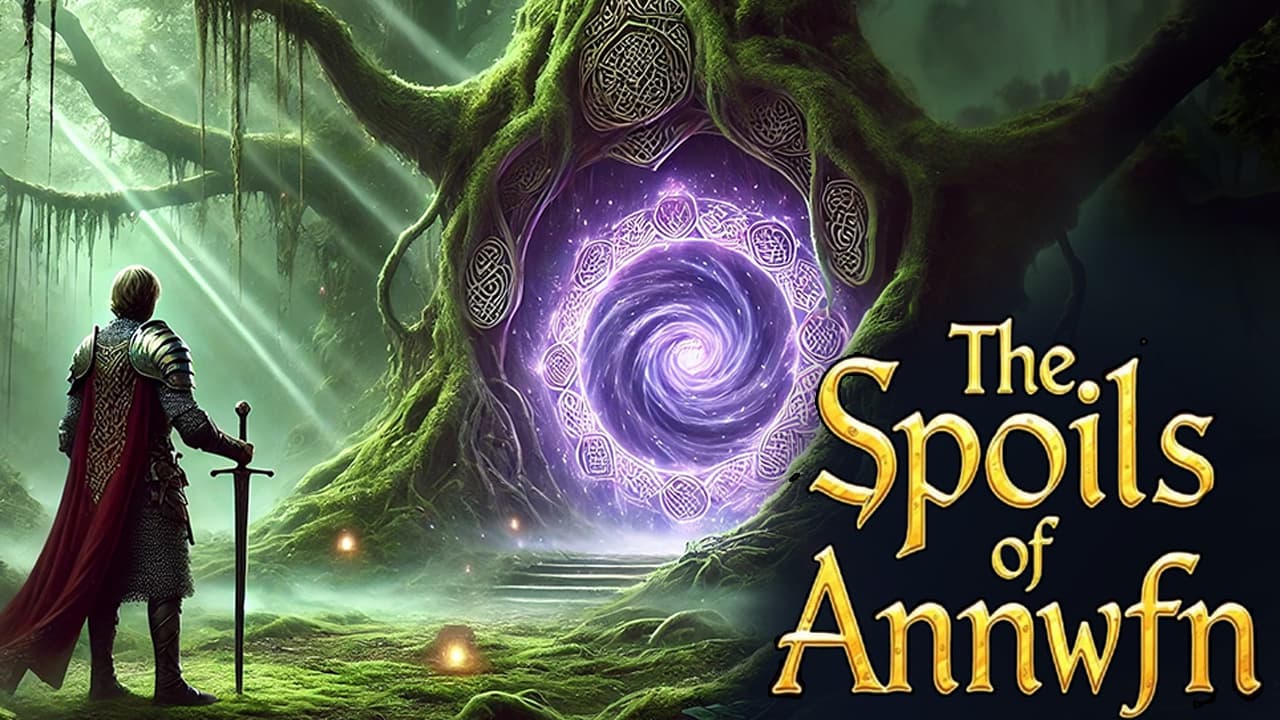
The Spoils of Annwfn
TheOtherLand · 1hr 51min
Annwfn, the Celtic Otherland, a magical land of eternal youth and hidden treasures. Join us in these old tale of King Arthur, and his journey to retrieve what may be lost forever.
In a world buzzing with constant alerts and endless to-do lists, the simple act of falling asleep has become a complex challenge for many. We often remember the childhood comfort of a story before bed, a gentle transition from the waking world to the realm of dreams. But who says this powerful ritual is just for kids? The adult mind, often saturated with stressIn a world buzzing with constant alerts and endless to-do lists, the simple act of falling asleep has become a complex challenge for many. We often remember the childhood comfort of a story before bed, a gentle transition from the waking world to the realm of dreams. But who says this powerful ritual is just for kids? The adult mind, often saturated with stress and digital noise, needs this gentle off-ramp more than ever.
Racing thoughts, anxietyRacing thoughts, anxiety about tomorrow, and overstimulation from screens create a perfect storm for insomniaRacing thoughts, anxiety about tomorrow, and overstimulation from screens create a perfect storm for insomnia and poor sleep quality. This is where the modern bedtime story comes in. Far from a simple nostalgic indulgence, curated audio narratives are a practical, science-supported tool for reclaiming your rest. These aren't just retellings of fairy tales; they are sophisticated audio experiences designed specifically to quiet a busy mind.
This guide explores the best bedtime stories for adults, moving beyond generic concepts to provide a comprehensive roundup of specific, effective options. We will delve into a curated collection of sleep aids, each tailored to different needs and preferences. You will discover:
Science-backed sleep stories from renowned experts like Matthew Walker.
ASMR-infused narratives that use binaural audio to trigger deep relaxation.
Immersive nature soundscapes blended with gentle storytelling.
Serialized fiction designed to be a calming, nightly ritual.
Personalized guided meditations that adapt to your unique relaxation needs.
Prepare to explore a diverse landscape of audio experiences, from mythology-rich tales to custom-generated stories. Our goal is to equip you with actionable choices, helping you find the perfect narrative to silence the mental chatter and guide you toward deep, restorative sleep.
1. The Sleep Stories by Matthew Walker
For those who prefer a scientific approach to relaxation, the sleep stories developed and narrated by renowned sleep scientist Matthew Walker offer a unique, evidence-backed path to slumber. Unlike traditional narratives, these are not just soothing tales; they are meticulously crafted audio experiences designed to quiet the mind and prepare the body for rest, making them some of the best bedtime stories for adults seeking effective, non-pharmaceutical sleep aids.
Walker, a professor of neuroscience and psychology at UC Berkeley and author of the international bestseller Why We Sleep, applies principles from sleep research directly into his narratives. The stories often weave in gentle psychoeducation about the mechanics of sleep, demystifying the process and reducing sleep-related anxiety. The pacing, tone, and even the sentence structure are intentionally designed to be non-arousing and to guide the listener's brainwaves toward slower, pre-sleep frequencies.
How It Works and Who It's For
These stories work by combining a calm, authoritative narration with content that is interesting enough to hold your attention away from racing thoughts, but not so stimulating that it keeps you awake. Walker’s voice is steady and hypnotic, creating a sense of safety and trust that allows the nervous system to down-regulate.
This method is particularly effective for:
Analytical Thinkers: Individuals who find comfort in logic and evidence may find it easier to relax knowing the techniques are scientifically grounded.
Individuals with Sleep Anxiety: Walker’s explanations can reframe sleep as a natural, friendly process, rather than a performance to be achieved.
Anyone Seeking to Improve Sleep Hygiene: These stories serve as an excellent anchor for a consistent bedtime routine.
Expert Insight: Matthew Walker's approach is rooted in cognitive behavioral therapy for insomnia (CBT-I), which often involves techniques like guided imagery and paradoxical intention. The stories gently redirect focus from the effort of trying to sleep to the passive experience of listening.
Practical Listening Tips
To get the most out of these science-backed stories, integrate them into your nightly wind-down ritual with these specific steps:
Consistent Timing: Listen at the same time each night to train your brain to associate the audio with the onset of sleep.
Low Volume: Keep the volume just high enough to hear clearly, around 30-40%. The goal is for the sound to be a background presence, not a central focus.
Device Hygiene: Pair your listening with good tech habits. Use a blue light filter on your device, and set a sleep timer so the audio doesn't play all night.
Find the Narratives: You can find these stories on platforms like the Calm app, which features exclusive content from Matthew Walker, or through audiobook versions of his work on services like Audible.
2. Sleepy Podcast Style Narratives
For listeners who find even the most soothing stories too engaging, the rise of “sleepy” podcasts offers a brilliantly counterintuitive solution. Instead of captivating you with intricate plots, these narratives are engineered to be deliberately, wonderfully dull. This anti-entertainment approach leverages slow pacing and monotone delivery to bore you into slumber, making them some of the best bedtime stories for adults who need to disengage from an overactive mind.
Pioneered by creators like Jesse Morgan Barnett with his podcast Sleepy, this genre turns traditional storytelling on its head. The goal isn't to reach the end of the story but to drift off somewhere in the middle. Narrators read classic literature, original low-stakes tales, and even technical manuals with a soft, droning cadence specifically chosen to be unexciting and easy to tune out, allowing your mind to relax its grip and slip into sleep.
How It Works and Who It's For
These podcasts work by providing a gentle, predictable audio distraction. The monotone narration prevents emotional arousal, while the unengaging content gives your racing thoughts a harmless place to land without getting hooked. The steady, rhythmic sound acts like a lullaby, signaling to your brain that it's safe to power down.
This method is particularly effective for:
Overthinkers and Worriers: The deliberately boring content prevents the mind from latching onto new, stimulating ideas or anxieties.
Podcast Lovers: For those accustomed to listening to audio content, this format feels familiar yet is specifically designed for sleep.
Anyone Tired of Meditations: If traditional guided meditations feel too structured or demanding, these stories offer a more passive form of mental quiet.
Expert Insight: The principle behind sleepy podcasts aligns with the cognitive shuffling technique, which involves picturing random, disconnected images to break patterns of cyclical thinking. These stories provide a pre-made, low-effort stream of uninteresting information that serves the same purpose.
Practical Listening Tips
To effectively use these intentionally drowsy narratives, incorporate them into your nightly routine with these simple steps:
Find Your Narrator: The voice is crucial. Sample different podcasts like Sleepy, Get Sleepy, or Nothing Much Happens to find a tone and pace that you find soporific, not irritating.
Set a Sleep Timer: Use your podcast app’s built-in sleep timer to shut off the audio after 30-45 minutes. This prevents it from waking you up later in the night.
Choose Familiar Stories: Listening to a classic book you’ve already read can reduce the temptation to stay awake to find out what happens next.
Listen on Low: Keep the volume just audible. It should be a gentle murmur in the background, not an active listening experience. You can find these on platforms like Spotify, Apple Podcasts, or dedicated apps like Get Sleepy.
3. ASMR Sleep Stories with Binaural Audio
For listeners who respond strongly to sensory input, ASMR sleep stories with binaural audio offer a deeply immersive and physically relaxing path to sleep. These narratives go beyond simple storytelling by incorporating specific audio triggers designed to elicit Autonomous Sensory Meridian Response (ASMR), a pleasant, tingling sensation that often starts on the scalp and moves down the spine. This unique fusion of story and sound makes them some of the best bedtime stories for adults who find relaxation through auditory texture and spatial sound.
Creators like ASMR Darling and Gibi ASMR have popularized this format by combining gentle, whispered narration with subtle sound effects such as page-turning, soft tapping, or crackling fire. The addition of binaural recording, which uses two microphones to create a 3D sound effect, places the listener directly within the story's environment. This technique makes sounds feel as if they are happening all around you, enhancing the sense of presence and making it easier to disconnect from external distractions.
How It Works and Who It's For
These stories work by directly stimulating the nervous system with gentle, repetitive, and textured sounds. The whispered narration and intricate soundscapes capture the brain's attention, pulling focus away from anxious or cyclical thoughts. Binaural audio enhances this effect, creating a sound cocoon that can feel incredibly safe and calming, making sleep feel more accessible.
This method is particularly effective for:
Sensory-Oriented Individuals: Those who enjoy the feeling of gentle sounds like rain, soft whispers, or quiet crinkling will find this format highly effective.
Overactive Minds: The rich, detailed soundscapes provide enough sensory information to occupy a busy brain, preventing it from drifting into stressful thought patterns.
Listeners Needing Immersion: The 3D audio effect helps block out real-world noises and transports the listener completely into the narrative world.
Expert Insight: ASMR is believed to trigger the release of endorphins, dopamine, and serotonin, neurochemicals associated with pleasure and relaxation. When combined with binaural audio, which can help guide brainwaves to slower frequencies, the effect is a powerful, non-narrative tool for inducing a pre-sleep state. You can discover more about how binaural audio works for sleep to understand its potential benefits.
Practical Listening Tips
To maximize the unique benefits of ASMR and binaural audio stories, a few specific adjustments to your listening routine can make a significant difference:
Use Quality Headphones: Over-ear headphones or well-fitting earbuds are essential to experience the full 3D effect of binaural audio.
Find Your Triggers: Not all ASMR sounds work for everyone. Explore different creators on YouTube or the Calm app to find the voices and sound effects that you find most relaxing.
Moderate the Volume: Keep the volume low enough to be soothing but not so loud that it causes ear fatigue. The subtle details are more important than the loudness.
Create a Playlist: Instead of letting algorithms choose the next video, create a dedicated sleep playlist to avoid being jarred awake by an unexpectedly stimulating video.
4. Personalized Guided Visualization & Meditation Stories
For those seeking a more active role in their relaxation, guided visualization and meditation stories offer a powerful, immersive experience. These narratives blend the gentle art of storytelling with proven mindfulness techniques, creating some of the best bedtime stories for adults who need to quiet an overactive mind. Instead of just passively listening to a tale, you are guided through serene landscapes, like a tranquil beach or a celestial journey, while simultaneously being prompted to focus on your breath and body.
Pioneered by platforms like Headspace and Calm, this approach integrates mindfulness principles directly into the narrative. The stories are designed to shift your focus from external stressors and internal anxieties to the sensory details of an imagined environment. By engaging your imagination and your physiological state through breathing exercises and body scans, these stories create a holistic relaxation response that prepares both mind and body for deep sleep.
How It Works and Who It's For
This method works by actively occupying the brain's "visualization center," leaving less mental bandwidth for intrusive thoughts or worries. The narrator's calm instructions for deep breathing or progressive muscle relaxation trigger the parasympathetic nervous system, the body's natural "rest and digest" mode, which lowers heart rate and reduces tension. For those new to the practice, understanding basic meditation techniques for beginners can greatly enhance the effectiveness of these guided sessions.
This method is particularly effective for:
Overthinkers and Worriers: The structured guidance provides a specific focus, making it difficult for the mind to wander into anxious thought loops.
Individuals with Body Tension: The inclusion of body scans and muscle relaxation helps release physical stress held in the shoulders, jaw, and back.
Visual Thinkers: People who have a strong imagination will find it easy and enjoyable to immerse themselves in the vivid, calming worlds created by the narrator.
Expert Insight: These stories are rooted in the principles of Mindfulness-Based Stress Reduction (MBSR), a program developed by Jon Kabat-Zinn. The core idea is to anchor your awareness in the present moment through sensory engagement and non-judgmental observation of your thoughts and physical sensations, which is highly conducive to sleep.
Practical Listening Tips
To fully benefit from these immersive meditation stories, try incorporating them into your routine with these specific actions:
Follow the Guidance: Fully commit to the instructions. When the narrator prompts you to breathe deeply or scan your body for tension, actively participate.
Match the Story to Your Mood: Choose a visualization that resonates with your current emotional state. If you feel overwhelmed, a story about a quiet forest may be more effective than one about a vast, open cosmos.
Assume a Comfortable Position: Lie down in your natural sleeping position before starting. This ensures a seamless transition from the meditation into actual sleep without needing to readjust.
Let Go of Achievement: The goal is not to "succeed" at relaxing. Simply follow along without judgment and allow the process to unfold naturally.
Explore Different Platforms: You can discover a vast library of these stories on apps like Calm, Headspace, and Insight Timer. You can also explore more on this unique blend of storytelling and mindfulness by reading a more in-depth meditation story for sleep guide.
5. Classic Literary Sleep Stories (Adapted Collections)
For those who find comfort in the familiar rhythms of classic literature, returning to well-loved novels and tales can be an incredibly effective sleep aid. This method involves listening to audiobooks of classic works, specifically chosen for their gentle pacing, non-arousing plots, and soothing prose. Far from being a new invention, this timeless approach leverages the power of familiar narratives to create a sense of safety and nostalgia, making these adaptations some of the best bedtime stories for adults who crave a low-stakes, comforting escape.
These collections often feature authors like Jane Austen, P.G. Wodehouse, or Hans Christian Andersen, whose works are characterized by elegant language and a steady, predictable narrative structure. The key is choosing stories where the plot is not overly suspenseful or emotionally turbulent. Listening to a story you already know and love removes the need to stay awake to find out what happens next, allowing your mind to drift peacefully alongside the familiar words.

How It Works and Who It's For
The effectiveness of classic literary stories lies in their ability to engage the listener's imagination just enough to distract from daily anxieties, while the familiar plot provides a stable, non-stimulating mental landscape. The often formal, rhythmic prose of authors like Anthony Trollope or Jane Austen has a naturally lulling quality, much like a steady, rocking cadence that encourages the mind to slow down and relax.
This approach is particularly well-suited for:
Nostalgic Listeners: Individuals who find solace in stories from their past or enjoy the charm of a bygone era.
Anxious Minds: The low-stakes conflicts and predictable resolutions in works like P.G. Wodehouse’s Jeeves stories offer a gentle distraction without causing emotional arousal.
Avid Readers: For those who love books, listening to a beloved classic can feel like a warm, comforting reunion that signals safety and rest.
Expert Insight: This method taps into the psychological principle of "cognitive shuffling," where a stream of gentle, disconnected thoughts (in this case, familiar plot points) prevents the brain from latching onto stressful, cyclical rumination. The brain is occupied, but not challenged.
Practical Listening Tips
To transform a classic audiobook into a powerful sleep story, consider these practical steps for your nightly routine:
Choose Familiarity Over Novelty: Select a book you have already read. Knowing the ending significantly reduces suspense and the urge to "stay tuned."
Adjust the Pace: Use the playback speed setting on your app to slow the narration down to 0.8x or 0.9x. This creates a more deliberate, hypnotic rhythm conducive to sleep.
Preview the Narrator: A narrator’s voice is crucial. Spend a few minutes listening to a sample to ensure their tone and cadence are soothing to you, not irritating or overly dramatic.
Leverage Free Resources: Check library apps like Libby and Hoopla for free access to thousands of classic audiobooks. Platforms like Audible and services like BBC Radio 4 also offer high-quality productions.
6. Nature-Based Storytelling with Ambient Soundscapes
Combining gentle narration with immersive, high-quality ambient sounds, nature-based storytelling offers a deeply grounding and restorative path to sleep. These narratives transport you to serene environments like misty forests, tranquil seascapes, or quiet mountain meadows. By layering a soothing voice with realistic nature audio, they create a multi-sensory experience that can quiet an active mind and ease the body into a state of profound relaxation, making them some of the best bedtime stories for adults who feel disconnected from the natural world.

Popularized by platforms like the Calm app and podcasts such as Get Sleepy, this approach leverages the principles of biophilia, our innate tendency to connect with nature. The combination of a simple, non-arousing plot and the authentic sounds of wind, water, or wildlife helps to mask distracting background noises while providing a predictable and secure auditory environment that signals safety to the brain, facilitating deeper and more restful sleep.
How It Works and Who It's For
This method works by engaging the listener's auditory senses on two levels: the narrative voice provides a focal point away from anxious thoughts, while the ambient soundscape creates a rich, calming backdrop. The natural sounds are often rhythmic and non-threatening (like gentle rain or distant waves), which helps to lower heart rate and reduce stress hormone levels.
This auditory experience is particularly effective for:
City Dwellers: Individuals living in noisy urban environments can use these soundscapes to create a peaceful, natural bubble.
Nature Lovers: Those who feel rejuvenated by the outdoors can bring that calming energy directly into their bedroom.
Visually-Oriented People: The vivid sounds help paint a detailed mental picture, making it easier for imaginative minds to disengage from daily stressors.
Expert Insight: Research into biophilic design shows that even indirect exposure to nature, such as through sounds and imagery, can reduce stress and improve cognitive function. These stories tap into that primal connection, using audio to mimic the restorative effects of being in a natural setting.
Practical Listening Tips
To fully immerse yourself in these natural worlds and optimize their sleep-inducing benefits, follow these specific steps:
Test Your Audio: Before settling in, test the audio on your headphones or speakers. Poor quality, tinny sound can be distracting. Use external speakers if your device's are subpar.
Match Your Preference: Choose a setting that you personally find relaxing. If the sound of the ocean makes you anxious, opt for a forest or meadow narrative instead.
Create Environmental Consistency: Listen to the same type of nature story each night to build a strong mental association between those specific sounds and the act of falling asleep.
Explore Different Platforms: You can find these stories across various apps and services. Calm has a vast library of "Sleep Stories," the Get Sleepy podcast features many nature-centric tales, and Spotify offers playlists combining ambient sounds with spoken word. If you're interested in the power of these sounds, you can learn more about calming nature sounds on otherworldtales.com.
7. Serialized Slow-Burn Fiction Specifically for Adults
For those who crave narrative depth without the jarring cliffhangers that disrupt sleep, serialized slow-burn fiction offers a compelling solution. These are episodic stories released over time, featuring mature themes and complex characters, but with a deliberately measured pace. Unlike binge-worthy dramas, they are crafted to gently engage the mind, making them some of the best bedtime stories for adults who enjoy intricate plots but need a calm, predictable wind-down.
This format, popularized by podcast networks and audio-first platforms, moves away from high-stakes tension. Instead, it focuses on atmospheric world-building and gradual character development. The narrative unfolds slowly, allowing the listener to become absorbed in the story without triggering the anxiety or excitement that can interfere with rest. The episodic nature encourages a ritualistic listening habit, becoming a comforting and anticipated part of a nightly routine.
How It Works and Who It's For
Slow-burn fiction works by providing a narrative anchor for a wandering mind. It offers just enough plot to hold your attention, preventing you from ruminating on daily stressors, but its calm pacing and often soothing sound design promote relaxation. The predictable release schedule of new episodes can create a sense of comforting routine, signaling to your brain that it’s time to unwind.
This method is particularly effective for:
Narrative Lovers: Individuals who enjoy complex stories but find most audio dramas too stimulating for bedtime.
Routine-Oriented People: The episodic format is perfect for building a consistent nightly habit.
Creative Minds: The rich world-building and nuanced characters can inspire gentle, dream-like thoughts instead of anxious ones.
Expert Insight: The power of slow-burn narratives lies in their ability to create "narrative immersion" without physiological arousal. By focusing on atmosphere over action, they engage the prefrontal cortex in light cognitive activity, which can effectively quiet the amygdala, the brain's fear and anxiety center.
Practical Listening Tips
To transform serialized fiction into an effective sleep aid, follow these specific guidelines to curate your experience:
Select Completed Series: Start with a series that has already concluded to eliminate the anxiety of waiting for the next episode.
Choose Calm Genres: Opt for genres like atmospheric supernatural tales (e.g., Welcome to Night Vale), slice-of-life, or gentle mysteries over high-action thrillers.
Set an Episode Limit: Decide on listening to just one episode per night. This creates a clear boundary for your wind-down time and prevents binge-listening.
Find the Narratives: Explore platforms like Apple Podcasts and Spotify for independent podcasts like Luminescence, or check out curated Audible Originals which often feature well-produced, slow-burn series.
8. Personalized Sleep Story Services & AI-Generated Narratives
For the listener who craves endless novelty, personalized and AI-generated sleep stories represent the cutting edge of sleep technology. Instead of a fixed library, these services use algorithms or human writers to create custom narratives based on your unique preferences, from settings and characters to pacing and themes. This tailored approach ensures you always have fresh, engaging content, making them some of the best bedtime stories for adults who find themselves growing tired of repetitive tales.
These emerging platforms, like Dream.ai or features within apps like Calm, use your input to generate a one-of-a-kind story. You might request a gentle tale about a quiet library in the rain or a slow-paced journey through a mythical forest. The technology then weaves these elements into a coherent, soothing narrative designed specifically to calm your mind and guide you toward sleep, offering a limitless well of new experiences.
How It Works and Who It's For
These services function by collecting user preferences and using advanced AI, like the models behind ChatGPT, to generate text that is then converted to audio with a calming narrator voice. The result is a highly personalized story that hits all the right notes to help you relax, avoiding themes or elements you find stressful while emphasizing those you find comforting.
This method is particularly effective for:
Creative Minds: Individuals who enjoy variety and want to explore new narrative landscapes every night.
The Easily Bored: If you quickly memorize and tire of standard sleep stories, the endless supply of new content keeps the experience fresh.
Specific Tastes: Listeners who have very particular preferences for themes, settings, or tones that are hard to find in pre-recorded libraries.
Expert Insight: The power of personalization in sleep aids lies in its ability to maximize psychological comfort. By giving the listener a sense of control and tailoring the content to their specific relaxation triggers, these services can reduce the cognitive load and anxiety associated with a wandering mind at bedtime.
Practical Listening Tips
To make the most of these innovative storytelling tools, follow a few best practices to refine your experience:
Be Specific with Prompts: The more detailed your initial preferences are, the better the story will be. Mention desired moods, character types, and even specific imagery.
Iterate and Refine: Don't expect the first story to be perfect. Use each generation to learn what you like and dislike, refining your inputs for future stories.
Review Privacy Policies: Since these services use your data to create content, take a moment to understand how your information is stored and used.
Balance with Human Content: While AI offers novelty, you may still crave the nuance and emotional depth of human-written and narrated stories. Alternate between the two. You can find these services on platforms like Dream.ai or as premium features within apps like Calm and Headspace.
8-Item Comparison: Best Bedtime Stories for Adults
Title | 🔄 Implementation complexity | ⚡ Resource requirements | ⭐ Expected outcomes | 📊 Ideal use cases / 💡 Key advantages |
The Sleep Stories by Matthew Walker | Medium — structured scripts, consistent use recommended | Medium — app/audible subscription, mobile device | ⭐⭐⭐⭐ — evidence-backed, reliably effective for many | 📊 Adults seeking research-based sleep help · 💡 Scientific credibility, progressive relaxation, circadian focus |
Sleepy Podcast Style Narratives | Low — plug-and-play, minimal setup | Low — free podcast apps, minimal bandwidth | ⭐⭐⭐ — effective as distraction; quality varies | 📊 Budget-friendly distraction for tired minds · 💡 Large library, free/low-cost, long episodes |
ASMR Sleep Stories with Binaural Audio | Medium — headset-optimized delivery, sensitive to setup | High — quality headphones, quiet environment | ⭐⭐⭐⭐ — highly effective for ASMR-responsive users | 📊 People sensitive to ASMR or with racing thoughts · 💡 Immersive 3D audio, multi-sensory relaxation |
Personalized Guided Visualization & Meditation Stories | Medium — active listening and following instructions | Medium — apps (some premium), quiet time | ⭐⭐⭐⭐ — strong for combined mental + physical relaxation | 📊 Users open to meditation techniques · 💡 Blends narrative with breathing/body-scan therapy |
Classic Literary Sleep Stories (Adapted Collections) | Low — easy to access, familiar content | Low — library apps or purchased audiobooks | ⭐⭐⭐ — soothing when familiar; complex language can demand focus | 📊 Readers who prefer predictable, cultural texts · 💡 Low-cost/library access, timeless prose |
Nature-Based Storytelling with Ambient Soundscapes | Low–Medium — simple playback but benefits from quality audio | Medium — good speakers/headphones for best effect | ⭐⭐⭐⭐ — biophilic audio reduces stress for many listeners | 📊 Nature-lovers and biophilia seekers · 💡 Realistic ambient layers enhance immersion |
Serialized Slow-Burn Fiction for Adults | Medium — requires series-following, mindful episode choice | Low–Medium — podcast/subscription options | ⭐⭐⭐ — engaging but can be too stimulating for some | 📊 Adults wanting gentle ongoing narratives · 💡 Intellectual engagement, habitual release schedule |
Personalized Sleep Story Services & AI-Generated Narratives | High — preference tuning and ongoing customization | High — subscription, stable internet, privacy considerations | ⭐⭐⭐⭐ — very effective when well-personalized; quality varies | 📊 Users with content fatigue or niche preferences · 💡 Endless fresh content, highly customizable but monitor privacy |
Crafting Your Perfect Bedtime Ritual with the Right Story
The journey to discover the best bedtime stories for adults is a deeply personal one, far more nuanced than simply picking a random tale and hoping for the best. As we've explored, the landscape of adult sleep narratives is vast and varied, moving beyond simple childhood fables into a sophisticated realm of science-backed, personalized, and immersive audio experiences. Your perfect story is not just a narrative; it's a carefully selected tool designed to meet your unique needs, whether that’s calming an anxious mind, distracting from a stressful day, or simply creating a pocket of peace in a busy world.
The key takeaway is that there is no single "best" story for everyone. The true power lies in experimentation and personalization. What works wonders for you one week might not be as effective the next, depending on your mood and mental state. The most effective approach is to build a small, curated library of different story types to draw from.
From Theory to Tranquility: Putting It All Together
Let's distill the core concepts from our list into actionable steps for creating your ideal sleep-inducing routine. Think of this as your personal roadmap to consistently better rest.
Identify Your Primary Goal: Are you battling insomnia? If so, the deliberately paced narratives of the Sleepy podcast or the scientifically engineered stories from Matthew Walker might be your strongest allies. If anxiety is the main culprit, the sensory focus of ASMR sleep stories or the gentle guidance of a personalized visualization could be more effective at grounding you in the present moment.
Match the Mood and Tone: Consider your emotional state at the end of the day. Do you crave nostalgia and comfort? An adapted classic from a collection like Classic Literary Sleep Stories might feel like a warm blanket. Do you need an escape from urban noise and mental clutter? A nature-based narrative with integrated ambient soundscapes can transport you to a serene forest or a quiet beach.
Embrace the Power of Consistency: Finding the right story is only half the battle. The real magic happens when you integrate it into a consistent wind-down ritual. This act of repetition signals to your brain that sleep is approaching. An effective routine might look like this:
9:00 PM: Dim the lights and put away all screens (phones, tablets, TVs).
9:15 PM: Engage in a light, calming activity like gentle stretching or brewing a cup of herbal tea.
9:30 PM: Settle into bed, select your chosen bedtime story, and set a sleep timer.
Listen and Relax: Close your eyes and allow the narrator's voice and the story's world to guide you toward sleep.
Enhancing Your Sleep Ecosystem
The best bedtime stories for adults are most effective when they are part of a holistic approach to sleep hygiene. The story itself is a powerful catalyst, but its benefits are amplified when your environment and daily habits are also aligned with promoting rest. Integrating the right bedtime story into your routine is a powerful step, and you can further enhance your rest by adopting other simple habits to improve sleep quality naturally. Simple adjustments like maintaining a consistent sleep schedule, even on weekends, and ensuring your bedroom is cool, dark, and quiet can make a profound difference.
By consciously choosing your nightly narrative and building a supportive ritual around it, you are reclaiming your right to a peaceful night. You are transforming bedtime from a source of stress into a cherished moment of self-care and escapism. The perfect story awaits, ready to close the chapter on your day and open the door to a night of deep, restorative sleep.
Ready to find your perfect escape? At Otherworld Tales, we specialize in crafting original fantasy and mythology-based bedtime stories designed specifically for the adult mind. Explore our growing library and discover narratives that will transport you to magical realms, all while lulling you into a peaceful slumber at Otherworld Tales.