Calm Your Mind with Bedtime Stories for Anxiety
Discover how bedtime stories for anxiety can quiet a racing mind and improve sleep. Our guide explores the science, story selection, and calming rituals.
Featured story
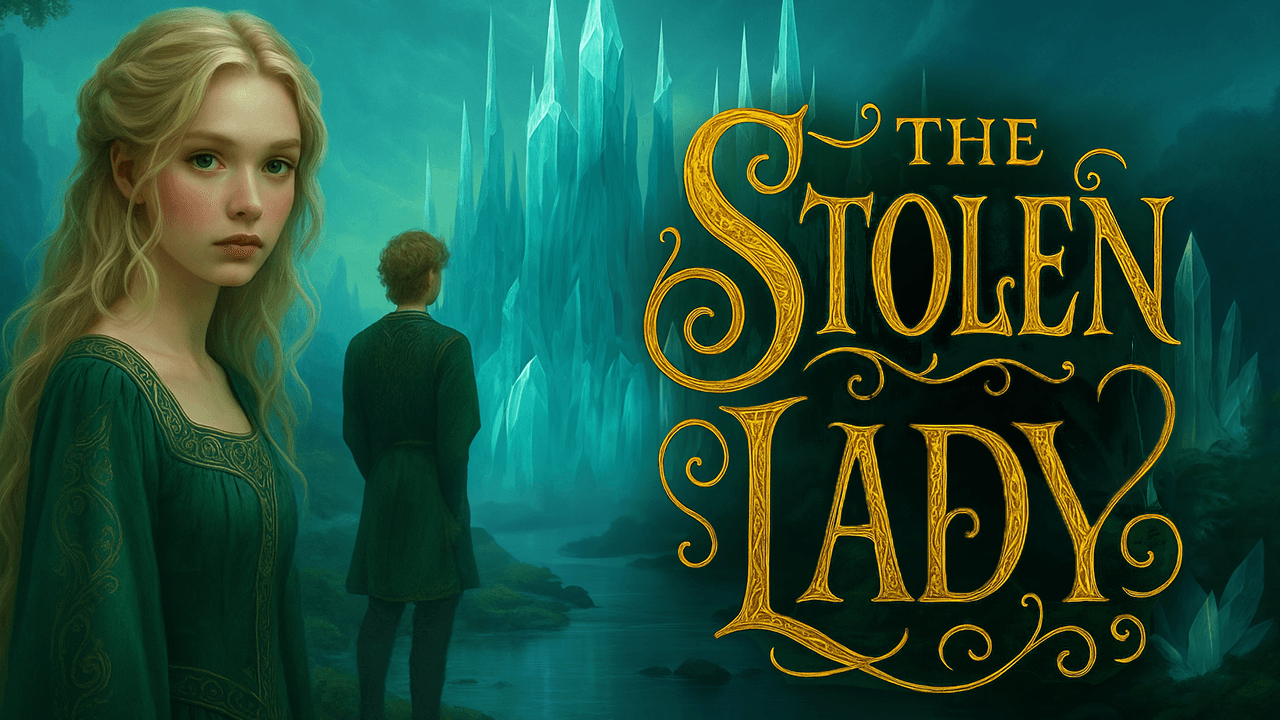
The Legend Of Midsummer's Eve
TheOtherLand · 2hr 49min
Join us as Aileen's twilight song unknowingly crosses the veil, capturing the attention of the Fairy King, Finnbhear of the Tuatha De Dannan. Follow her devoted husband, Conor, as he braves the perilous path into the heart of the Otherworld itself, facing impossible trials fueled by unwavering love and courage.
If you've ever found yourself staring at the ceiling, your mind racing a mile a minute, you know how frustrating nights can be. For so many of us, the quiet of the evening is when anxiousIf you've ever found yourself staring at the ceiling, your mind racing a mile a minute, you know how frustrating nights can be. For so many of us, the quiet of the evening is when anxious thoughts decide to get loud. But what if you could gently guide your brain away from those stressful loops?
That's where bedtime stories for anxiety come in. It might sound like a trick from childhood, but for adults, it's an incredibly effective—and evidence-backed—way to reclaim your evenings and find the rest you deserve.
How Bedtime Stories Help Quiet Anxious Thoughts

When the day's distractions fade, it's easy for your mind to get stuck replaying conversations or worrying about tomorrow’s to-do list. This mental churn keeps millions of people from the restorative sleep their bodies and minds are crying out for.
I like to think of those anxious thoughts as a tangled ball of yarn. A good story doesn't try to rip the knots apart; instead, it gently pulls on a single, new thread, slowly and patiently unraveling the mess until your mind feels smooth and calm again.
Giving Your Brain a New Path
The real magic of a bedtime story is its power of cognitive distraction. Instead of wrestling with your own circular thoughts, you’re giving your brain a structured, linear narrative to follow. It’s a simple shift, but it’s often all you need to break the cycle of worry.
A well-chosen story creates a safe, predictable world for your mind to settle into. The gentle plot, calming descriptions, and a soothing narrator’s voice all work in harmony to create an atmosphere of peace. As your mind follows along, your body's stress response finally gets the signal to stand down, making it so much easier to relaxA well-chosen story creates a safe, predictable world for your mind to settle into. The gentle plot, calming descriptions, and a soothing narrator’s voice all work in harmony to create an atmosphere of peace. As your mind follows along, your body's stress response finally gets the signal to stand down, making it so much easier to relax.
By focusing on an external narrative, you actively disengage from the internal chatter that fuels anxiety. It’s like changing the channel in your brain from a stressful news report to a peaceful nature documentary.
The benefits go far beyond just a simple distraction, though. Turning story time into a consistent ritual signals to your brain that the day is officially over and it’s time to wind down for sleep.
Here's a quick look at the different ways stories work their calming magic.
How Stories Combat Nightly Anxiety
This table breaks down the key ways a simple story can make a big difference for your anxious mind.
Mechanism | How It Helps Your Mind |
Cognitive Distraction | Shifts focus from anxious thoughts to a structured narrative, preventing worry spirals. |
Emotional Regulation | Provides a safe space to process emotions indirectly through character experiences. |
Physiological Relaxation | The calming rhythm and tone of a story can slow heart rate and deepen breathing. |
Structured Routine | Creates a predictable end-of-day ritual that signals your brain it's time to wind down. |
It's this combination of mental and physical effects that makes bedtime stories such a powerful tool against sleepless nights. For even more strategies, you can explore our guide on how to calm anxiety at night.
And while stories offer a wonderful mental escape, combining them with physical relaxation can be even more effective. For instance, some research shows that Swedish massage therapy can help reduce anxiety and stress by easing tension in the body. Pairing these kinds of practices creates a truly robust defense against anxiety-fueled insomnia.
The Science Behind Storytelling and a Calmer Brain

The peaceful feeling that washes over you during a bedtime story isn't just a happy accident. There’s some fascinating science at play, rooted in how our brains and bodies react to stress.
When anxiety keeps you up at night, it's because your sympathetic nervous system is stuck in the "on" position. This is your body's "fight-or-flight" response. It’s a brilliant system for escaping danger, but it’s absolutely terrible for trying to get a good night's sleep.
Listening to a calm story is like finding a manual override switch. It helps engage your parasympathetic nervous system, the one responsible for "rest and digest." As you tune into a gentle plot and a soothing voice, your brain gets the message that the coast is clear. Your heart rate can finally slow down, your breathing deepens, and your muscles begin to let go of that coiled tension.
Getting Lost in a Story
This mental gear shift happens thanks to something called narrative transportation. It's that wonderful feeling of being so completely absorbed in a story that the real world—and all your racing thoughts—just seems to fade into the background. Your mind is given a single, peaceful trail to follow instead of spiraling down a rabbit hole of worries.
As you become more immersed, your brain chemistry actually starts to change. The stress hormone cortisol, which keeps you alert and on edge, begins to dip. In its place, your brain might release a little oxytocin, a hormone we associate with safety, connection, and comfort. It's like a warm, neurological hug that helps you feel secure enough to sleep.
The goal isn't just to distract yourself; it's to become deeply engaged in a world where the stakes are low. This process physically dials down your body's stress response, making sleep feel not just possible, but genuinely inviting.
This isn't just theory; research backs it up. While a lot of studies have focused on children, the core principles are universal. For instance, a 2023 study discovered that storytelling therapy resulted in a statistically significant drop in anxiety scores among participants. The findings pointed to a real, measurable decrease in anxiety, highlighting the healing power of a good story. You can explore the full study about storytelling and anxiety reduction on NIH.gov.
Combining Sound and Story
The calming effect becomes even more powerful when you layer stories with ambient sound. Think of gentle audio cues like soft rainfall or the rustle of leaves in a forest. These sounds work in harmony with the narrative, creating a fully immersive environment that coaxes your mind into a state of peace.
This combination gives your mind a rich sensory anchor to hold onto. These soundscapes can help drown out distracting real-world noises and deepen the sense of calm that the story initiates. If this idea appeals to you, learning more about sound therapy for relaxation can give you even more tools for your nightly wind-down routine.
Ultimately, bedtime stories for anxiety offer a scientifically supported, gentle way to guide your brain from a state of worry to one of profound tranquility.
Choosing Stories That Soothe Your Mind

When your mind is racing, the last thing you need is a story that ramps up the suspense. A high-stakes thriller or a tangled drama can be just as disruptive as your own anxious thoughts, which is why having a go-to library of calming tales is so important.
Think of the perfect bedtime story as a warm, weighted blanket for your mind. It should feel comforting, safe, and pleasantly predictable. The goal isn't excitement; it's about gently immersing yourself in a world free from the pressures that keep you awake.
The Anatomy of a Calming Story
The best bedtime stories for anxiety all share a few key ingredients. They create a peaceful atmosphere by focusing on elements that signal safety and comfort to your brain. Look for stories with these qualities:
Low-Stakes Plots: The story should have very little conflict or tension. Cozy mysteries where the biggest problem is a missing teacup, or tales of a gentle ramble through the countryside, are perfect for this.
Descriptive and Sensory Language: Stories rich with descriptions of nature—the scent of rain on dry earth, the feeling of soft moss underfoot—anchor your mind in the present moment and pull it away from abstract worries.
Predictable Resolutions: Knowing that everything will turn out okay is deeply reassuring. Stories that meander toward a gentle, positive ending help your nervous system relax because there are no startling twists to brace for.
The narrative itself becomes a form of therapy. Its unique power lies in its ability to guide your thoughts along a structured, peaceful path, a fact supported by research.
One study actually found story therapy more effective than music therapy for reducing anxiety. The group listening to stories saw their anxiety scores drop by 15.29 points—a 32% effect size that was significantly greater than the group using music. It just goes to show how powerful a well-chosen narrative can be. You can read the full research about narrative's power to understand its benefits more deeply.
Finding Your Perfect Escape
The right story is a deeply personal choice. What one person finds soothing, another might find uninteresting. The trick is to experiment with different genres and themes until you discover what truly brings you a sense of calm.
For example, gentle travelogues about exploring a quiet Italian village can transport you far from daily stressors. Similarly, stories centered on simple, satisfying tasks, like a baker preparing bread at dawn, can be incredibly grounding.
Exploring different options within a dedicated bedtime stories app can help you quickly discover what works for you. Beyond stories, adding other calming elements into your life can help, too; you might even explore thoughtful stress relief gifts designed to soothe the mind. By building a personal collection of stories that feel like home, you create a reliable refuge you can turn to night after night.
Building Your Calming Bedtime Story Ritual
The true magic of bedtime stories for anxiety happens when they become more than just a story—they become a ritual. A consistent, soothing nightly routine is a powerful signal to your body and mind that the day is officially over. It creates a predictable, gentle transition from a state of worry to one of deep rest.
Think of it as creating a gentle runway for your mind to land smoothly in sleep.
This doesn't need to be some grand, complicated production. The real goal is to create a peaceful environment that encourages relaxation. Your brain is a creature of habit; it learns from these repeated cues. Over time, just starting your ritual will be enough to begin calming your nervous system automatically.
Crafting Your Pre-Sleep Sanctuary
First things first: set the stage. Your bedroom should feel like a sanctuary for rest, not just an extension of your daily stress. A few small, deliberate adjustments can make a world of difference in preparing your mind for a story.
Start by dimming the lights at least 30 minutes before you plan to listen. Bright, harsh light can mess with melatonin, the hormone that helps manage your sleep-wake cycle. Swap that glaring overhead light for a soft lamp to cast a warm, gentle glow.
Next, get physically comfortable. Are your blankets cozy? Is the room a little on the cool side? Have you minimized any potential noise disruptions? The idea is to remove any sensory static that could pull you out of a relaxed state.
Optimizing Your Audio Experience
Once your environment feels right, a few practical tips will help you get the most out of listening. Using an audio story player, like the one here on Otherworld Tales, gives you some fantastic tools to personalize your journey to sleep.
Here’s how to create the perfect audio setup:
Find the Right Narrator: The narrator’s voice is your guide for the next hour. Take a moment to experiment with different tones and paces until you find one that feels like a comforting presence, not a distraction.
Set a Sleep Timer: This is a non-negotiable feature for drifting off. Setting the story to gently fade out after 15-30 minutes means you can relax completely, without worrying about it playing all night and waking you up later.
Mix in Ambient Sounds: Layering your story with gentle background sounds can deepen the immersion tenfold. On the Otherworld Tales player, you can add soft rain or a gentle wind to your story, which is perfect for masking distracting household noises and creating a truly calming soundscape.
A well-crafted ritual does more than just relax you in the moment. It trains your brain to associate certain cues—dim lights, a soft voice, gentle rain sounds—with the feeling of safety and the permission to let go.
The Art of Mindful Listening
So what happens when your mind still wanders off to tomorrow's to-do list? It will. This is completely normal, especially when you’re feeling anxious. The trick isn't to fight it but to practice what you might call active listening for relaxation.
When you notice your thoughts have drifted, gently and without any judgment, just guide your attention back to a specific detail in the story. You could focus on the sound of the narrator’s voice, the description of a misty forest, or the crackling fire you’ve layered in the background.
This simple act of redirection is a form of mindfulness. Each time you guide your focus back to the narrative, you are strengthening your ability to disengage from those anxious thought loops and anchor yourself in the present, peaceful moment.
Soothing Story Examples for Anxious Adults

It’s one thing to talk about what makes a story calming, but it’s another to feel it. So let's bring these ideas to life with three simple story concepts, each one crafted to gently guide an anxious mind toward a place of rest.
These examples are built around the core principles we've discussed: low-stakes plots and rich, sensory details. Think of them not as entertainment meant to thrill you, but as safe harbors for your thoughts—a mental escape from the day’s pressures.
The Misty Forest Path
Picture a story that starts with a quiet walk through a misty forest just as the day is beginning. The entire narrative is grounded in the senses: the soft crunch of damp leaves underfoot, the cool air on your skin, the smell of pine and wet earth.
There’s no destination, no conflict to resolve. The journey is the story. As the sun’s first rays filter through the canopy, the story simply observes the subtle shifts in light and the gentle sounds of the awakening woods. This kind of tale anchors your mind in a tranquil, natural setting, leaving no room for anxious thoughts to take hold.
The Village Baker's Morning
Another powerful idea is a cozy narrative centered on a simple, satisfying task. Imagine a story about a village baker, up before sunrise, crafting warm loaves of bread. The focus lingers on the methodical, grounding process—the feel of kneading dough, the warmth from the stone oven, the comforting aroma filling the small shop.
The strength of this story lies in its predictability and its celebration of craft. By immersing you in a world of quiet purpose and sensory comfort, it sends a powerful message to your mind: all is well, all is orderly, all is calm.
These narratives do more than just distract; they subtly retrain your brain's interpretive patterns. By focusing on benign, positive resolutions, they help shift your cognitive biases away from worst-case scenarios and toward a more peaceful outlook.
Research backs this up, showing that stories with gentle resolutions can significantly reduce symptoms of anxiety. They essentially provide a form of cognitive training, encouraging our minds to find more positive interpretations in ambiguous situations. You can learn more about the study on PubMed and its findings.
Letters from a Seaside Library
For our third example, imagine a story about discovering a bundle of forgotten letters in a quiet, seaside library. The narrative unfolds as the main character reads through the old correspondence, which details simple, happy moments from a time gone by—a day spent sketching waves, a description of a local festival, a recipe for sea-grape jelly.
The plot is gentle and filled with a nostalgic warmth. It offers a feeling of connection and simple joy without any emotional turmoil, making it one of the perfect bedtime stories for anxiety to help you drift off peacefully.
Your Questions About Sleep Stories Answered
Stepping into a new routine, especially one meant to quiet something as personal as anxiety, always brings up a few questions. It’s completely natural to wonder if you’re "doing it right" or what to do when you hit a little bump in the road.
Think of this section as a friendly chat where we answer the most common questions about using bedtime stories for anxiety. Our goal is to help you feel confident and comfortable as you start this calming practice, so you can get the most out of your new nightly ritual.
How Long Should a Bedtime Story for Anxiety Be?
Finding the sweet spot for story length is a big part of making this work. For most people, the ideal story is somewhere between 15 and 30 minutes long.
That’s just enough time for your mind to let go of the day's worries and sink into the world of the story. But it’s also short enough that you don't feel like you have to stay awake for the ending. Remember, the story is a gentle off-ramp to sleep, not a movie you have to finish.
Most audio players, including the one here on Otherworld Tales, have a sleep timer. You can set it to gently fade the story out after a certain time, so it doesn't play all night and risk waking you up later.
What If My Mind Still Wanders While I Listen?
First off, this is completely normal. If your mind is used to replaying worries, it’s going to try to do that out of pure habit. The most important thing is not to get frustrated with yourself when it happens.
When you notice your thoughts have drifted away from the story, just gently bring your focus back to the narrator's voice or a specific detail in the tale. It’s like kindly guiding a puppy back to its path—no scolding needed.
Each time you do this, you're actually practicing a form of mindfulness. You’re strengthening your ability to quiet that internal chatter. Over time, you'll find your brain learns to stay with the calming narrative for longer and longer stretches.
Can I Use a Regular Audiobook Instead of a Sleep Story?
You absolutely can, as long as you choose the right one. The content of the book matters far more than what it’s called.
Just be sure to steer clear of anything with high-stakes action, heart-pounding suspense, or complicated emotional drama. Those elements are designed to keep you hooked and alert, which is the very last thing you want before bed.
Instead, look for books with a calm, steady plot and a narrator whose voice you find soothing. Some great options include:
Gentle Classics: Think of stories with a comforting, familiar feel.
Nature Memoirs: Books that paint pictures of peaceful, descriptive landscapes work wonders.
Cozy Mysteries: These are perfect because the plots are low-stakes and the tension is minimal.
Sometimes, the best choice is a book you've already read and loved. Since you already know what happens, there are no surprises to jolt your mind into high alert and keep you from drifting off.
Is It Better to Read a Book or Listen to an Audio Story?
When the main goal is to manage that buzzing pre-sleep anxiety, listening to an audio story often has a clear advantage.
Listening lets you close your eyes, get into your most comfortable sleeping position, and cut way down on light from lamps or screens. That blue light is particularly good at messing with your body’s production of melatonin, the hormone that tells your brain it's time to sleep.
Beyond that, listening is just... easier. It’s a passive experience that requires less mental heavy lifting than reading. For a tired and anxious brain, being carried along by a story is much simpler than actively processing words on a page. A narrator’s calm, steady voice acts as an anchor, actively guiding you away from your own intrusive thoughts and toward a place of rest.
Ready to find a story that speaks to you? The Otherworld Tales audio player was designed from the ground up to help you unwind, with a whole library of soothing stories and customizable ambient sounds.
Discover Your Next Favorite Bedtime Story at Otherworld Tales