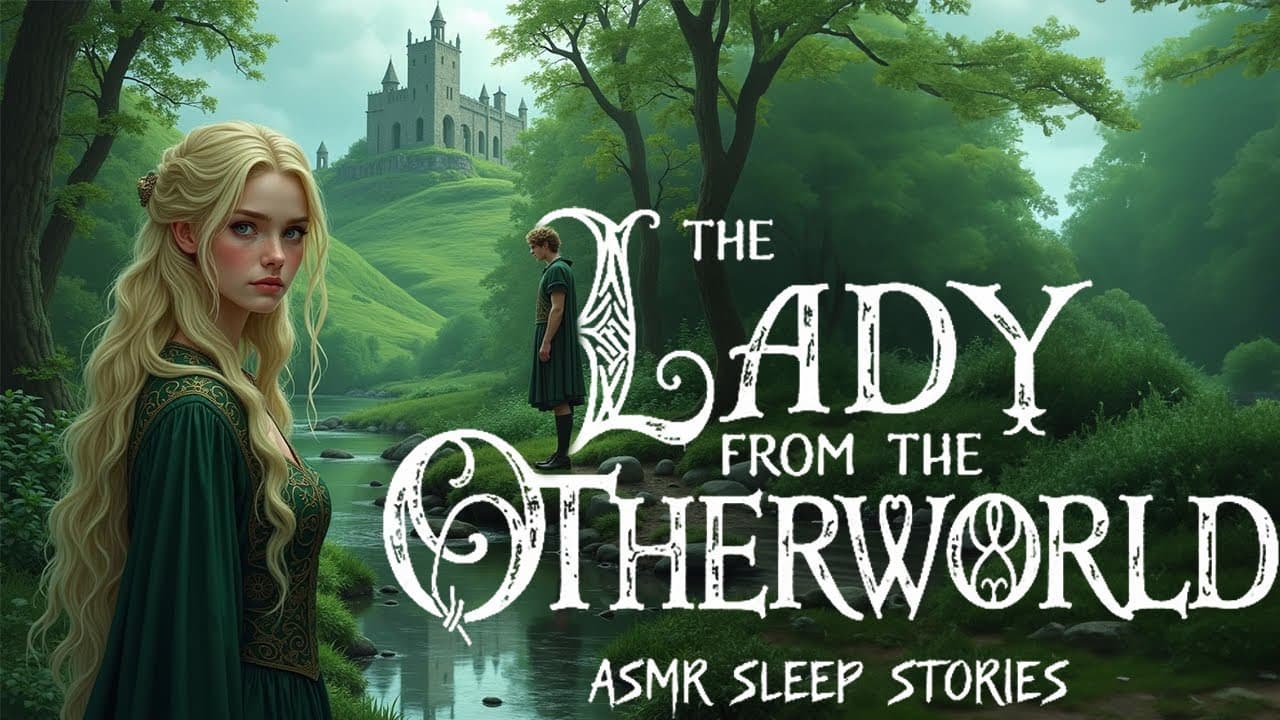
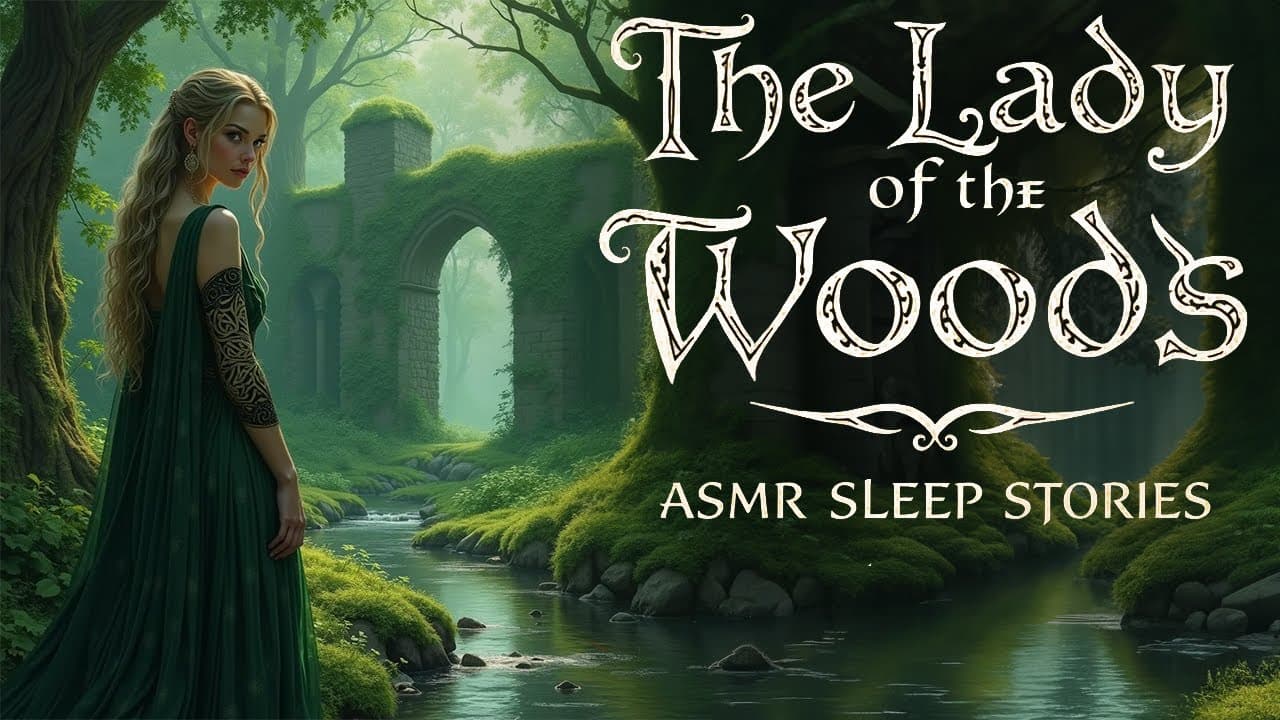
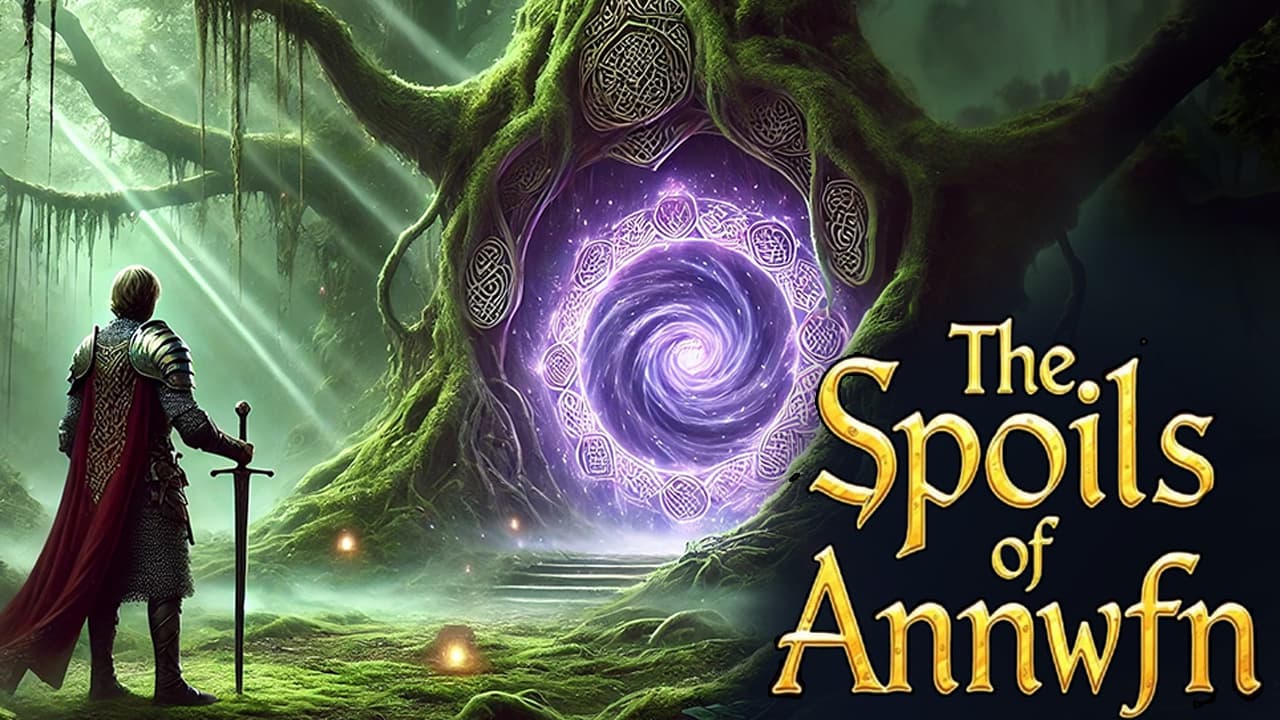
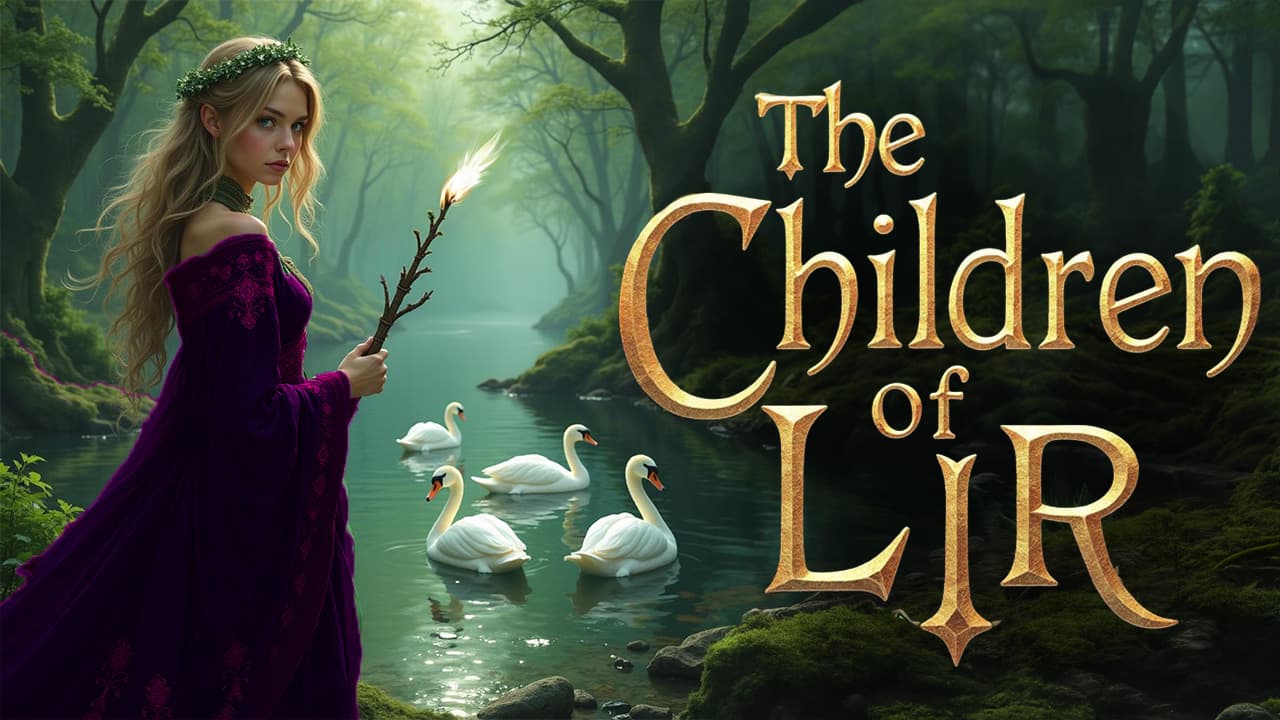
There's a particular kind of tiredness where you want a story but you don't want to read. Your eyes are heavy, your body is comfortable, and the idea of holding a book or staring at a screen sounds like work. That's exactly the moment these stories are designed for. You don't read them — you listen. The narrator, the story, and the ambient sounds come to you.
Listening to a story at bedtime is a fundamentally different experience from reading one. When you read, your brain is doing double duty: decoding text AND building mental imagery. When you listen, the language-processing work is done for you by the narrator's voice. Your brain is free to focus entirely on visualisation — conjuring moonlit forests, ancient temples, and mythological landscapes. This is why people often feel sleepier listening to a story than reading one: the mental load is lighter, and lighter is what your brain wants at bedtime.
Our stories are specifically designed for listening, not adapted from written text. The pacing, sentence structure, and descriptive language are all calibrated for the ear rather than the eye. Sentences are shorter. Pauses are longer. Descriptions are vivid but not dense. And every story can be wrapped in ambient soundscapes — rain, campfire, ocean waves, forest — that make the listening experience immersive and continuous.